28. 11. 2024
How much does a floor renovation cost? Price versus real expenses
When we buy a new product, we are always primarily interested in its price. Whether it is electronics, clothing or a home renovation, the decision often comes down to which offer is cheaper. However, the true value of a product is not hidden in the numbers on the price tag alone. Delivery, installation, maintenance and the product's lifespan have a decisive impact on how much we ultimately pay for it. When choosing a car, for example, the base price may be tempting, but additional costs such as servicing, the price of spare parts, the service network or fuel consumption can change our decision.
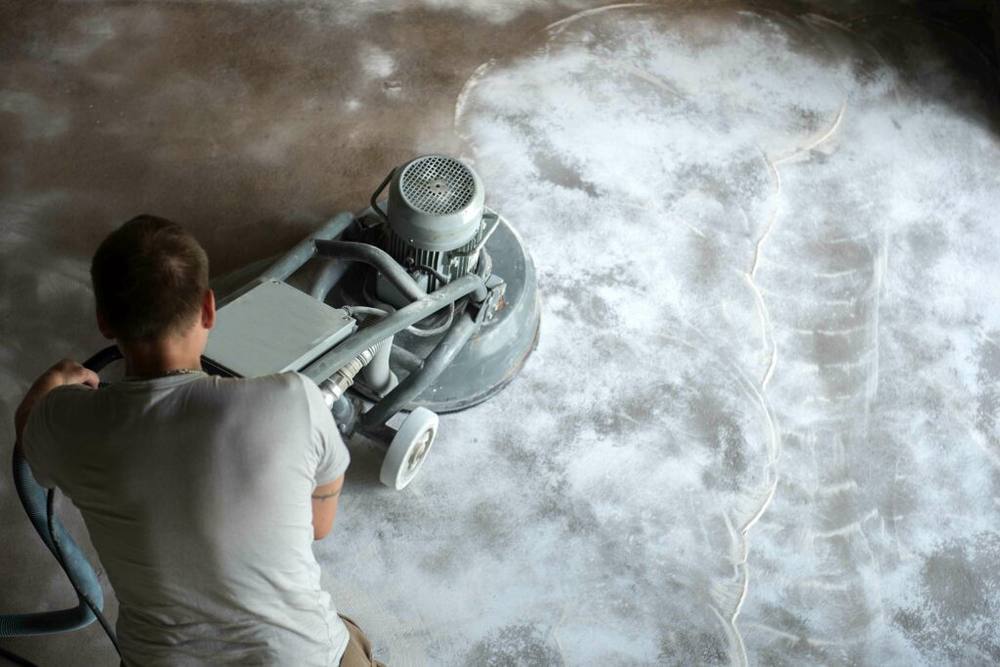
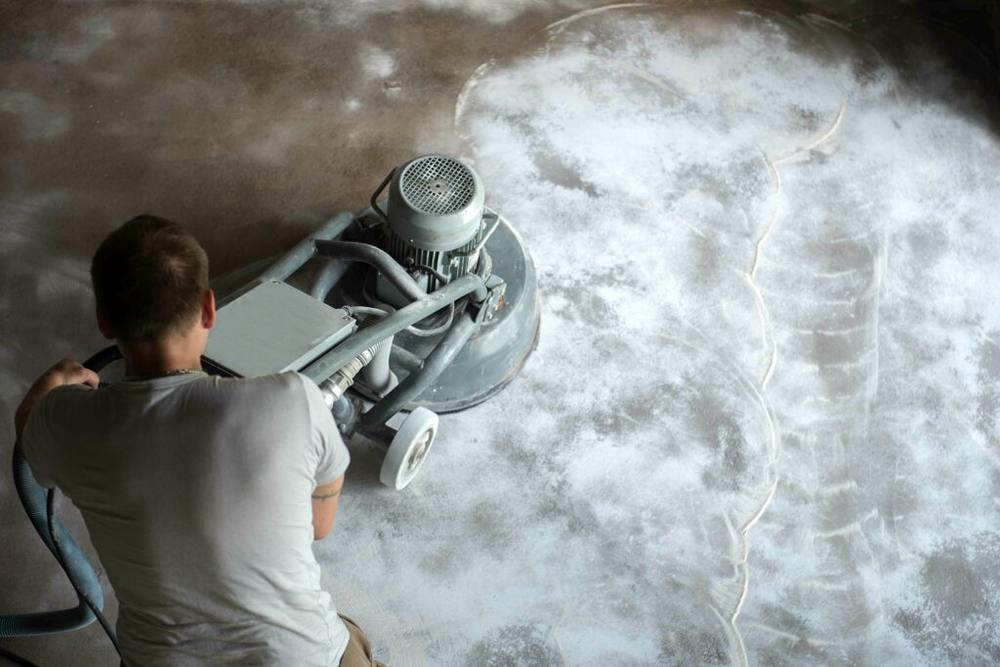
A similar dilemma arises when choosing a flooring solution. Are you considering a floor renovation and deciding between installing Fortelock PVC tiles or a new epoxy floor? At first glance, the price of Fortelock tiles may look much higher than the price of epoxy. What are their real costs once we take all the hidden expenses into account?
Epoxy coatings: durability and aesthetics
An epoxy floor, also known as decorative resin, creates a smooth, solid surface that is resistant to chemicals. It is suitable for production halls, warehouses and areas where high load-bearing capacity is a priority. It also offers aesthetic possibilities thanks to a wide range of colours and effects.
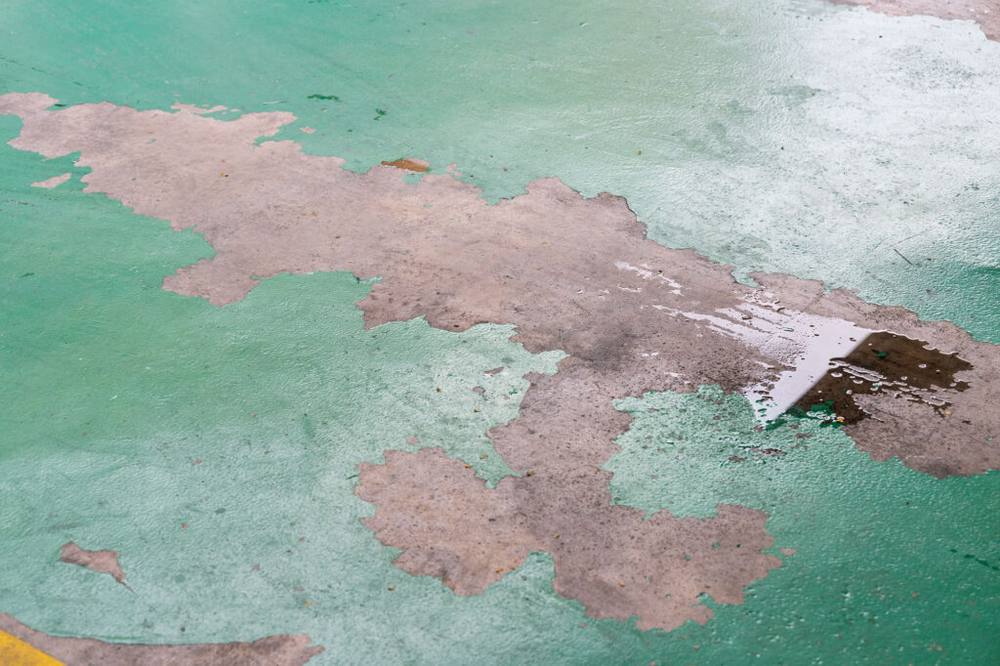
The substrate for epoxy floors, however, must be perfectly level, solid, clean and dry. Achieving such a surface tends to be a problem, especially during renovations. That is why epoxy floors are particularly suitable for new spaces where the owner can ensure a perfectly level substrate. The substrate must be almost perfectly dry - it is recommended not to exceed a substrate moisture level of 3%. Epoxy does not let vapour through, so escaping moisture could cause bubbles or cracks in the floor. It is therefore not suitable for cellars, damper garages or warehouses.
Epoxy coating is not recommended for application on soiled surfaces, such as in service centres or garages where vehicle operating fluids have been spilled. Epoxy would not adhere to such a surface and would start to crack over time. Likewise, it is not recommended for application on wooden substrates. Wood is constantly working, which could cause the surface layer to crack.
On the other hand, epoxy floors offer many options in terms of design. There are plenty of additives that help finish the floor according to the owner's aesthetic preferences.
What the application process for an epoxy floor looks like:
- Perfect substrate preparation - filling cracks and holes, grinding down bulges, drying out moisture and vacuuming up dirt.
- Primer coat beneath the epoxy coatings.
- Final layer - two or three coats with a total thickness of 4-6 mm.
- Curing time of approximately 5-7 days.
Advantages of epoxy floors:
- Lower material costs: The cost of the material is often more favourable than with PVC tiles
- Durability: Suitable for heavy loads.
- Smooth, seamless surface: The surface is smooth and joint-free, which makes it easier to maintain.
Disadvantages of epoxy floors:
- Demanding installation: Requires professional fitting, substrate preparation and several days of curing (5-7 days).
- Interruption of operations: The space has to be cleared during installation, which often leads to significant losses.
- High demands on preparing the base layer: The substrate must be level, dry and clean. It is not recommended for damp spaces.
- Limited scope for local repairs: Damage often requires a complete renovation of the coating.
- Not a thermal insulator: An epoxy floor has no insulating properties and feels colder.
Fortelock PVC tiles: practicality and flexibility
Fortelock PVC tiles are a modern solution characterised by easy installation and minimal maintenance. They are designed to be laid even without a professional and allow for quick use without interrupting operations. Thanks to the "click" system, they can be easily joined without the use of adhesive or special tools. This allows for installation even without the help of professionals, saving both time and money.
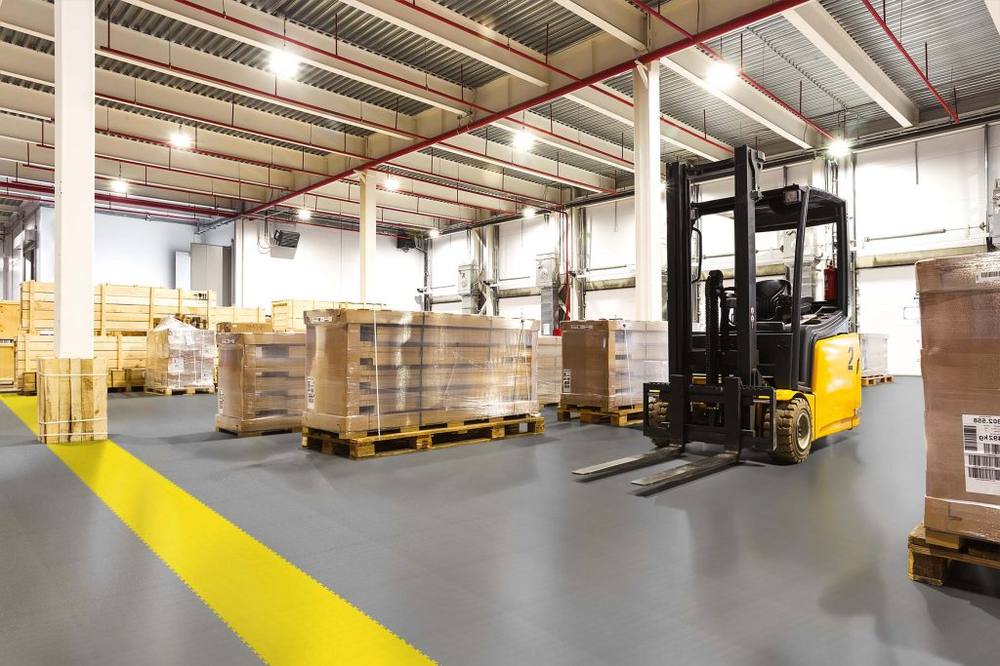
The tiles are exceptionally resistant to mechanical loads, chemicals and moisture, which makes them ideal for more demanding conditions such as workshops, warehouses or garages. If a section becomes damaged, it can simply be replaced without having to repair the entire floor. Their surface is also low-maintenance and easy to clean. In addition, the tiles are often made from recycled materials, which is an advantage for those looking for a more environmentally friendly solution. Although Fortelock PVC tiles offer many advantages, they also have their drawbacks. One of them is a higher initial investment compared to some traditional flooring solutions. The tiles are also less suitable for areas with high temperatures, where they need to be glued down.
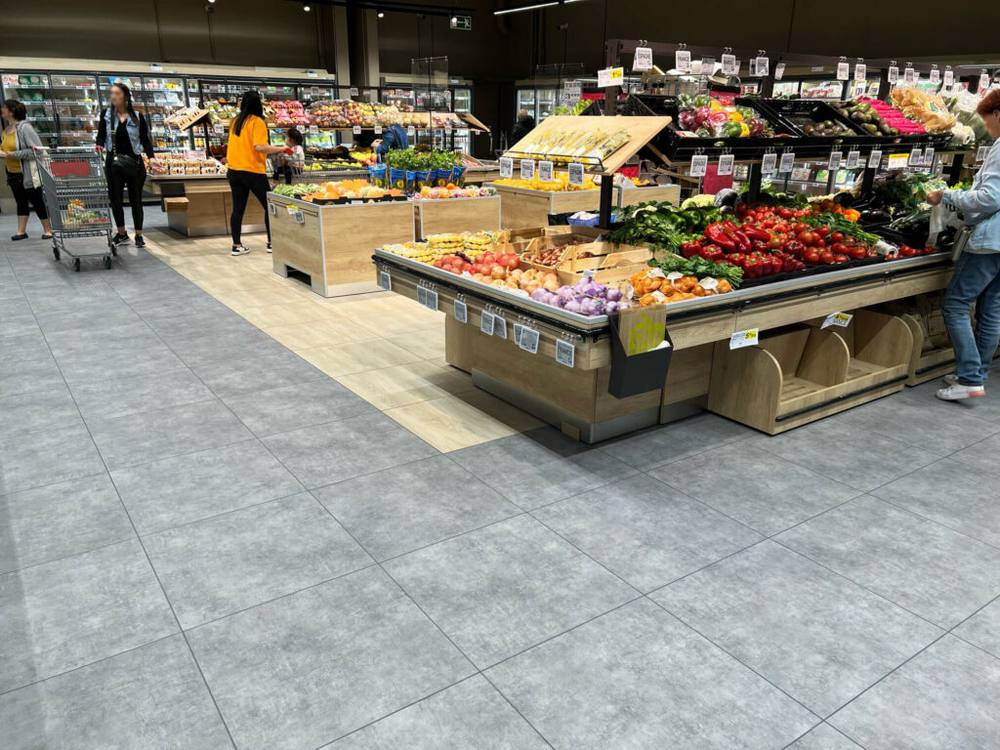
Advantages of Fortelock PVC tiles:
- Simple and fast installation: The tiles can be laid easily without special skills, saving both time and installation costs.
- A flexible solution for operations: You can lay the tiles right during operation, which is ideal for spaces where every hour of interruption is very expensive.
- Ready for immediate use: Once laid, the tiles are ready to use straight away, preventing further costly downtime.
- Easy maintenance and replacement: Damaged tiles can be easily replaced without affecting the rest of the floor.
- Environmental aspect: the tiles are made from recycled materials and can be recycled, thereby contributing to protecting the environment.
Disadvantages of Fortelock PVC tiles:
- Higher initial investment: Material costs can be higher than with epoxy floors.
- Temperature sensitivity: In areas with large temperature fluctuations, the tiles need to be glued down.
Cost comparison: a smaller space vs. a large warehouse
To give a clearer picture, we have compared the costs of installing Fortelock PVC tiles and epoxy floors in two model cases - a garage (20 m²) and a large warehouse (500 m²).
Garage 20 m2
| Floor type | Material costs (price incl. VAT) | Installation costs | Total installation time | Total costs |
| Epoxy coating | 10-15 €/m² | 20 €/m² (in the case of professional installation) | 5-7 days | 600 € |
| Fortelock PVC tiles | from approx. 40 €/m² | 0 € (self-installation) | 2-3 hours | 800 € |
Warehouse 500 m 2
| Floor type | Material costs (price incl. VAT) | Installation costs | Total installation time | Interruption of operations | Lost profit | Total costs |
| Epoxy coating | 7 €/m² | 20 €/m² (in the case of professional installation) | 7-14 days | complete | High - depending on turnover | Depending on turnover; more than 25,000 € |
| Fortelock PVC tiles | Individual price | 0 € (self-installation) | 1-2 days | none, can be done in sections | 0 € | 17,000 € |
Epoxy or Fortelock?
When choosing a floor, it is important to consider the specific needs of your space. Fortelock PVC tiles are ideal for those looking for quick installation, minimal interruption of operations and flexibility. Epoxy floors, on the other hand, appeal with their aesthetic appearance, seamless surface and lower material costs.
Every solution has its advantages and disadvantages. Make an informed decision and choose a floor that will suit your needs and budget.