2. 12. 2021
Which floor to choose for a gym or fitness centre?
Are you choosing a floor for a fitness centre, a gym or a workout corner in your house or flat, and is the endless range of flooring options making your head spin? The market offers plenty of floor types, but not all of them are suitable for regular exercise. What should you watch out for when choosing a floor for a gym or fitness centre? During workouts in a gym or fitness centre, the floor can get damaged if it does not meet the demanding requirements for durability in various situations.
The right floor for aerobics and cardio training
Jumping and various types of aerobic exercise are very hard on the floor, so you need to choose one that resists denting while also meeting the requirements for cushioning your footfall. A floor in a room where increased jumping is expected should be soundproofed and should also cushion each step, because a floor that is too hard can damage knees and joints when jumping and can also be uncomfortable for the feet.
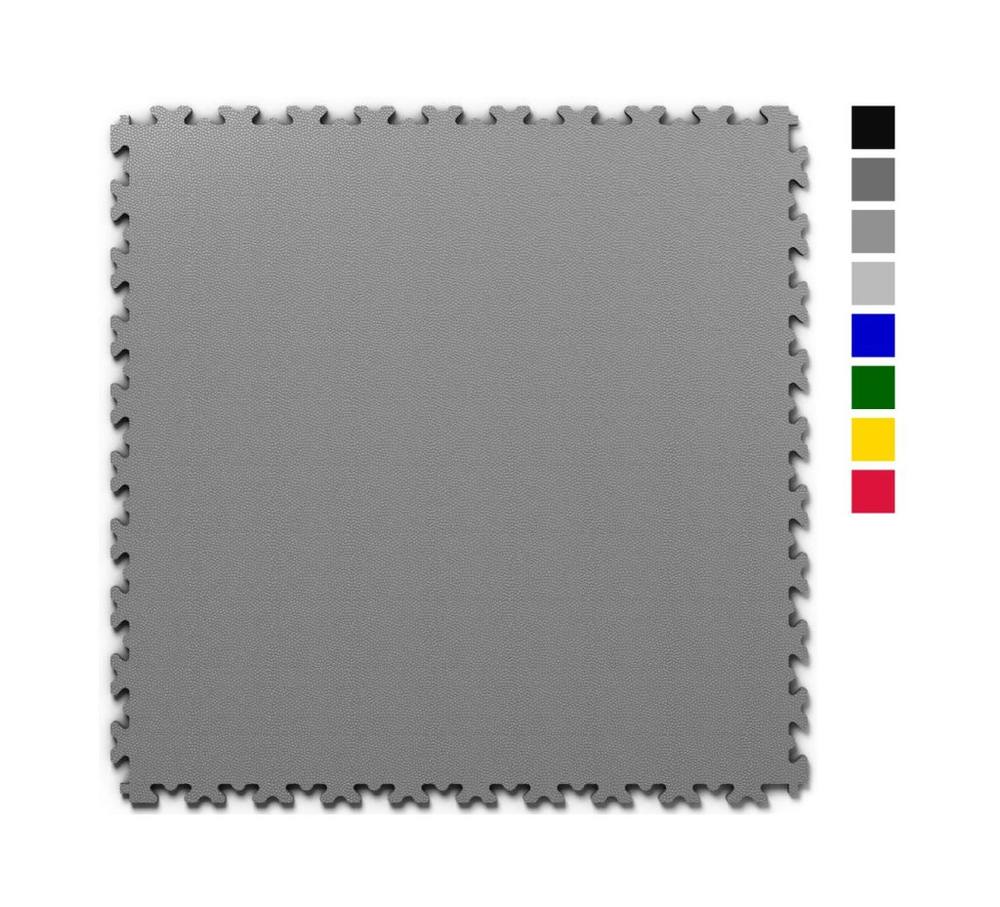
For aerobics or jumping training we recommend: Fortelock Industry or Fortelock XL
The right floor for training with weights and heavy machines
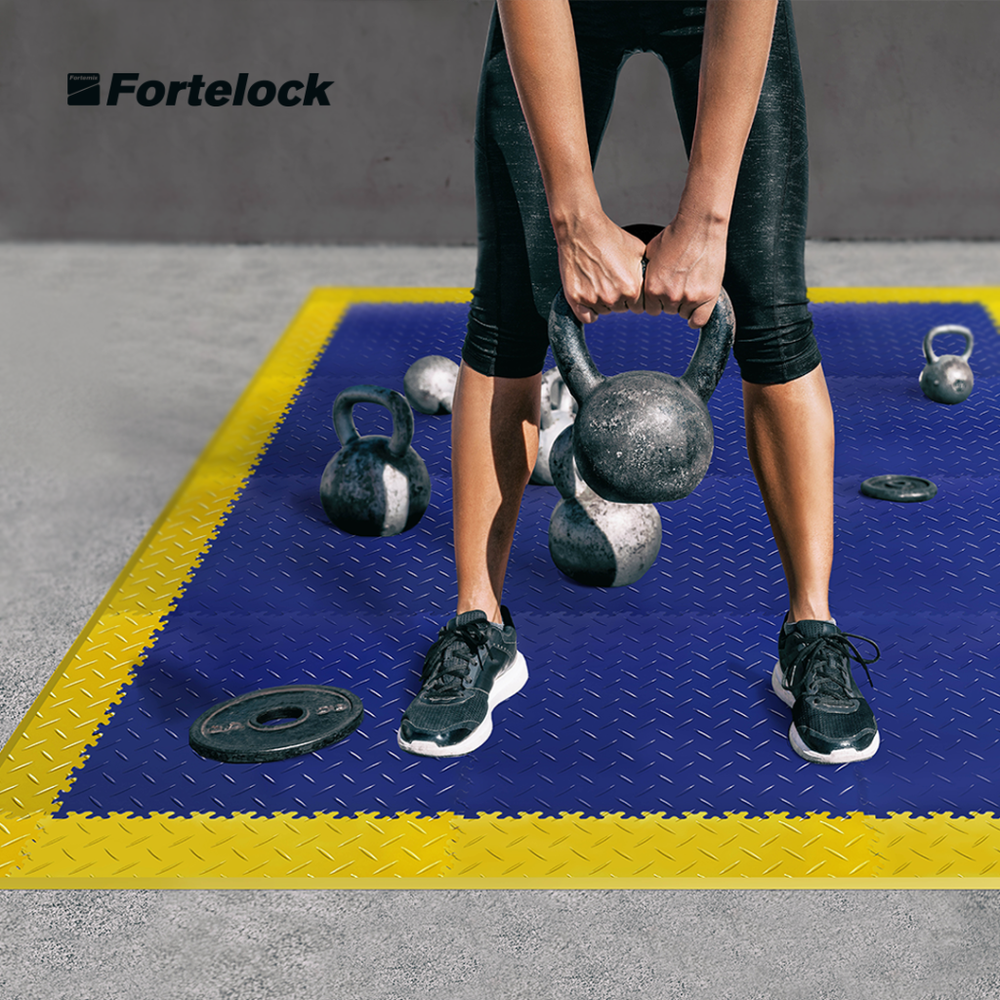
A floor in a fitness centre or gym is often stressed by weights being set down, by the load of heavy machines and other equipment such as exercise bikes, weight towers or trainers. Dropping a weight onto ceramic or concrete tiles can damage the surface, which often leads to cracking. Concrete tiles can start to crumble under stress, which is not only aesthetically undesirable but also creates dust. If you are setting up a fitness centre or gym in a place that already has a floor and you are not in a position to invest in a renovation, an effective and quick solution is to lay a second layer of flooring that protects the original floor. Fortelock flooring is the ideal solution for covering an older floor you are no longer happy with. In a single day you can refresh the look of your gym or fitness centre, with no tools and no tradespeople.
For training with weights and heavy machines we recommend: Fortelock Industry
The right floor for working out at home
These days, working out at home is becoming more and more popular. Exercising at home saves you not only the money for entry fees but also the time spent travelling to a fitness centre or gym. Working out at home can have many advantages, and you can tailor your own fitness corner in your house or flat to suit your needs. Thanks to the Fortelock floor system, you do not even have to be limited by the floating floor, ceramic floor or parquet you have at home. By simply assembling Fortelock tiles you create an exercise mat to your own specifications. Do you train with weights or without them? Do you do yoga or aerobics? Even in a home environment it is wise to think about soundproofing and to prevent damage to the floor. Fortelock flooring is health-safe and provides thermal insulation, which your back in particular will appreciate. You can finish the Fortelock floor with ramps and corners to achieve a complete look.
For working out at home: Fortelock Industry, Fortelock XL, Fortelock Light or the new Fortelock Business
Advantages of Fortelock flooring over other tiles
- Dampens vibrations
- Cushions footfall and the impact of dropped objects
- Provides thermal insulation
- Easy to mop and clean
- A damaged piece can be easily replaced
- Fortelock tiles can be printed with lettering or a logo
- Installation can be done without flooring specialists
- The system allows you to combine patterns and colours
- It is health-safe
- It is non-slip
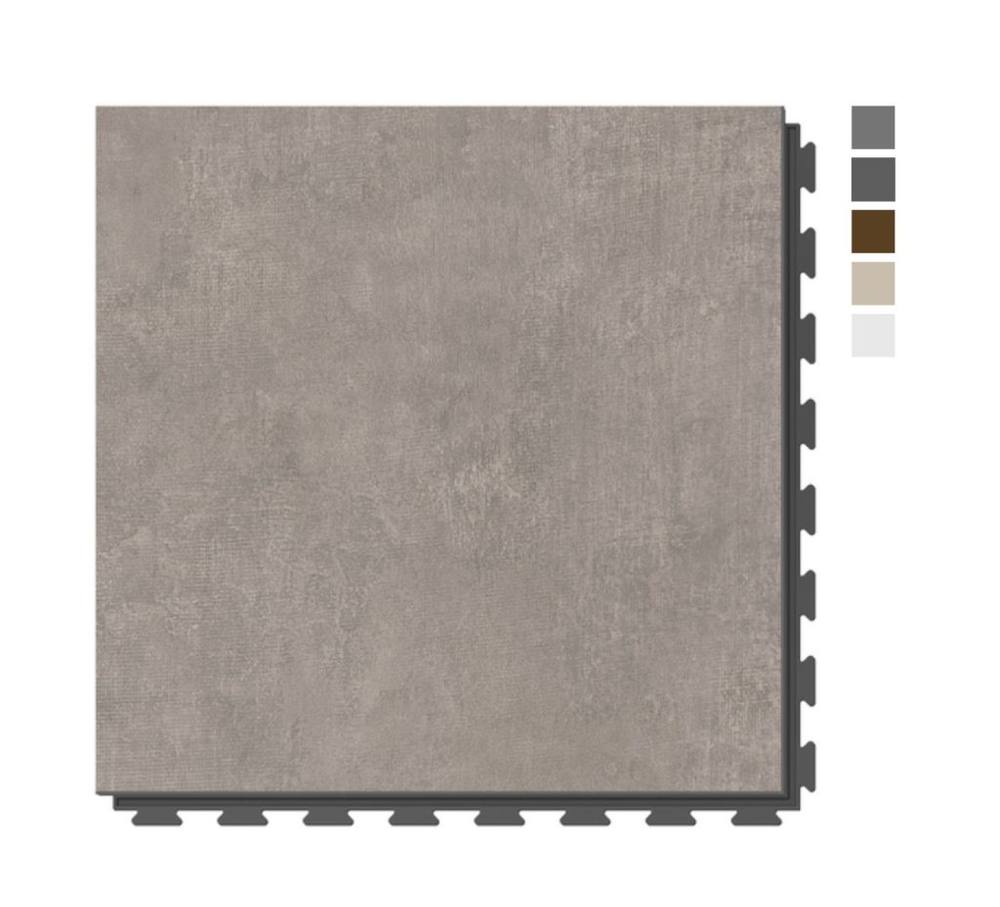
Have you chosen Fortelock flooring for your gym, fitness centre or home but are not sure which colour and pattern to pick? Order Fortelock tile samples measuring 8×8 cm.
I WANT A FLOOR SAMPLEYouTube tips
Follow the Fortelock YouTube channel, where we regularly add new content. You may be interested in:
- Do you know how Fortelock tiles are installed? Take a look at the new installation video for Industry tiles

Frequently asked questions
What is the best flooring for a gym with weights and machines?


A tough, resilient floor that spreads the impact. For gyms, the manufacturer recommends Fortelock Industry tiles made of 100% PVC with a thickness of 7 mm. The elasticity of the material absorbs impacts and machine vibrations, and a damaged tile can be replaced at any time. Protective mats are recommended for areas where heavy weights are dropped.
Can PVC gym flooring survive a dropped barbell?
The floor will not be structurally damaged, but a heavy barbell dropped from a greater height can leave minor scratches. Mats are therefore recommended for areas under this kind of stress. A solution for areas with frequent drops is described in the article A CrossFit gym floor that can withstand barbell drops.
Is PVC flooring slippery when exercising?
No. Fortelock tiles have an R10 slip resistance rating according to DIN 51130 and, according to the manufacturer, the surface keeps its grip even during dynamic movement, with sweat and in increased humidity. That makes them suitable for aerobics, jumping and strength training, both in a gym and in a home fitness corner.
How do I clean a gym floor after training?
A mop or damp cloth with the recommended cleaner is all you need. Sweat does not soak into the material, and everyday dirt is removed with standard cleaning. ForteClean cleaners are designed for regular cleaning, and in larger facilities the floor can also be cleaned by machine.
Can home gym tiles be laid on parquet flooring?
Yes, provided the subfloor is stable. The technical data sheet allows wooden subfloors, including parquet, OSB and plywood, with a moisture content of no more than 10% and a height difference between boards of up to 1 mm. Tiles can be laid on ceramic tiles if they are firmly fixed and the joints are no wider than 4 mm. Tips are summarised in the article Fitness lovers, take note: what to consider when setting up a home gym?