10. 1. 2020
Fitness lovers, take note: what to consider when setting up a home gym?
Do you love sport, working out and pushing your body? Don't want to (only) run outdoors, or dislike the public nature of fitness centres? Are you tired of paying loads of money for memberships and wasting time travelling to a public gym, and would you rather set up your own little gym right at home?
People are increasingly considering setting up their own workout room. The reasons can vary: commuting to the gym takes too long, prices are high, or they simply prefer privacy while training. Their goals can be ambitious or modest. But before setting up such a personal fitness centre, everyone has asked themselves these questions:
- Where will you find space for your workout?
- What is the goal of your training?
- What equipment do you need to reach your goal?
Have you asked yourself these too? We have the answers.
Where to work out?
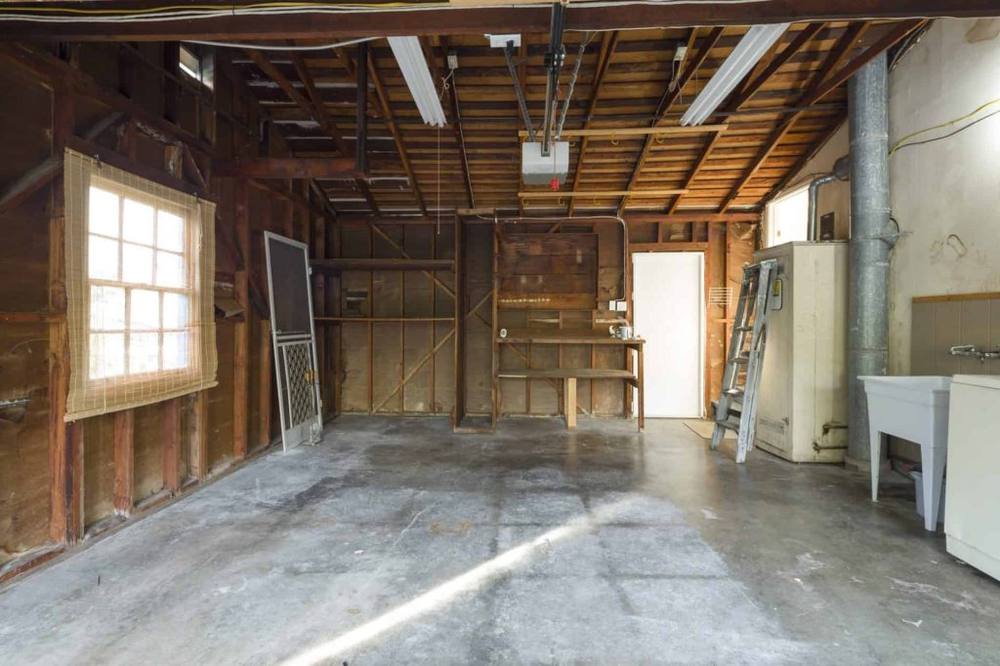
When building many new houses, extra rooms are taken into account – whether they end up being used as studies, children's rooms or sports rooms. But if you are not building a house, you can use space at a holiday cottage, convert a barn, or free up space in the garage. Remember that it should be a well-ventilated space with a quality, durable and preferably non-slip floor that can withstand impacts and loads.
What is your goal?
Only you know best where you want to get with your training – whether your goal is to lose weight, tone your body, get stronger or all of it together. At the start, a fitness centre specialist or an online coach can certainly advise you on the type of training.
How to equip yourself?
For yoga you just need a mat and comfortable clothing, for conditioning a skipping rope, for strength training dumbbells, and an instructional video comes in handy now and then. But if you are really serious about training over the long term, you can also get multifunctional machines and strength-training accessories. Once you have progressed with your training, you will realise yourself that you need more than just the basics.
Which floor to choose for a gym?
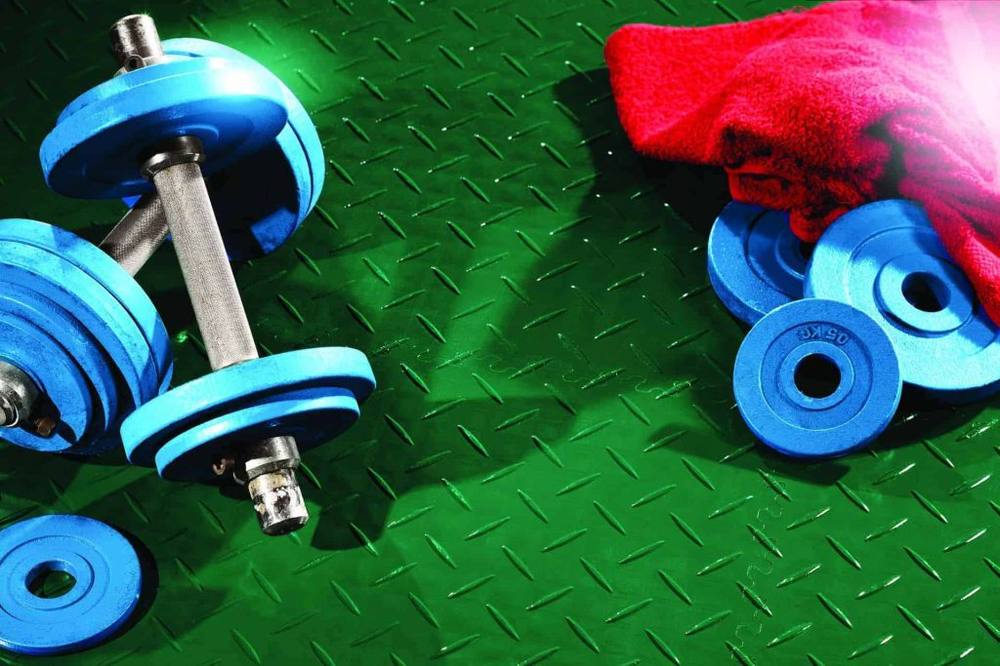
Heavy machines, jumping and even a small dumbbell can irreparably damage and break the floor. So it is important to think about equipment not only for training but also for the room itself. In professional fitness centres you can work out on the Fortelock PVC floor, but you don't have to be a professional to be able to get it for your home too.
You can lay it yourself. Thanks to the locking system, which resembles puzzle pieces, you don't need a tradesperson to install the floor. A great advantage of a PVC floor is its simple and cheap repair if you damage it. Just remove the damaged piece and replace it with a new one. You don't have to deal with a costly renovation of the whole room.
What else to keep in mind?
A private workout room solves many hygiene and personal issues you may associate with visits to public fitness centres. And you can achieve the feeling of a professional gym at home very easily and, in the long run, cheaply too.
Just keep in mind that the room should feel fresh and invigorating, be well ventilated and resistant to moisture and load. The Fortelock floor will help with that – after all, the floor is stressed in proportion to how hard you push your own body. The non-slip Fortelock floor is resistant to moisture, impacts and scratches and also dampens noise, so you can jump to the rhythm of music played at full volume without disturbing the rest of the house.
Has the Fortelock floor caught your interest and would you like to try it at home? We will gladly send you an 8×8 cm sample.

Frequently asked questions
What flooring should I put in a home gym in a garage?


A tough, non-slip one, for example Fortelock Industry tiles with a thickness of 7 mm and an R10 slip resistance rating. They can take a car driving over them as well as heavy machines, and they absorb impacts. In a garage, bear in mind that a loose-laid floor is intended for an air temperature of +15 to +27 °C and a relative humidity of up to 75% over the long term.
Will PVC flooring reduce noise from a home gym?
It helps. PVC dampens noise and machine vibration, and the elasticity of the material absorbs some of the impact energy, so jumping and setting down weights are transmitted less to the rest of the house. For areas where heavy weights are dropped, the manufacturer also recommends mats.
How many tiles do I need for a home gym?
For the Industry range, allow 4 tiles per m², so a 12 m² gym needs 48 tiles. The calculator on the product pages can add an extra 5% for offcuts, and the configurator will calculate the exact quantity based on the shape of the room.
Can I put rubber mats for weights on PVC flooring?
The manufacturer recommends mats for areas under heavy stress, but be careful with rubber ones. The technical data sheet warns that dark and coloured rubber, including mats, can cause permanent discolouration of PVC after prolonged contact. It therefore recommends PVC or PE protectors under furniture and equipment.
Is PVC flooring affected by damp in a gym in a cellar or holiday cottage?
Not up to a point. Industry and Invisible tiles have the Air-Flow system on the underside, which draws moisture away from the subfloor and limits mould. However, the technical data sheet does not recommend using the tiles where the relative humidity exceeds 75% over the long term. It is therefore a good idea to ventilate the room regularly.