1. 7. 2026
How to deal with moisture under the floor in a garage or warehouse
What problems does moisture under the floor cause
Moisture in a garage or warehouse is not just a cosmetic nuisance. Over time it threatens the condition of the subfloor, shortens the floor's lifespan and damages stored items as well as the overall indoor climate. In a garage, water also mixes with road salt, oils, fuel and cleaning chemicals. In a warehouse, it endangers cardboard boxes, metal shelving, tools and seasonal stock.
If the subfloor stays permanently damp, the problems start to snowball:
- Deterioration of concrete and coatings – The old surface starts to dust and crumble, and any coatings peel off.
- Mould and odour – A musty smell lingers in the corners and stains appear on stored items.
- Endless cleaning – Dust sticks to the damp surface and the floor looks neglected even right after mopping.
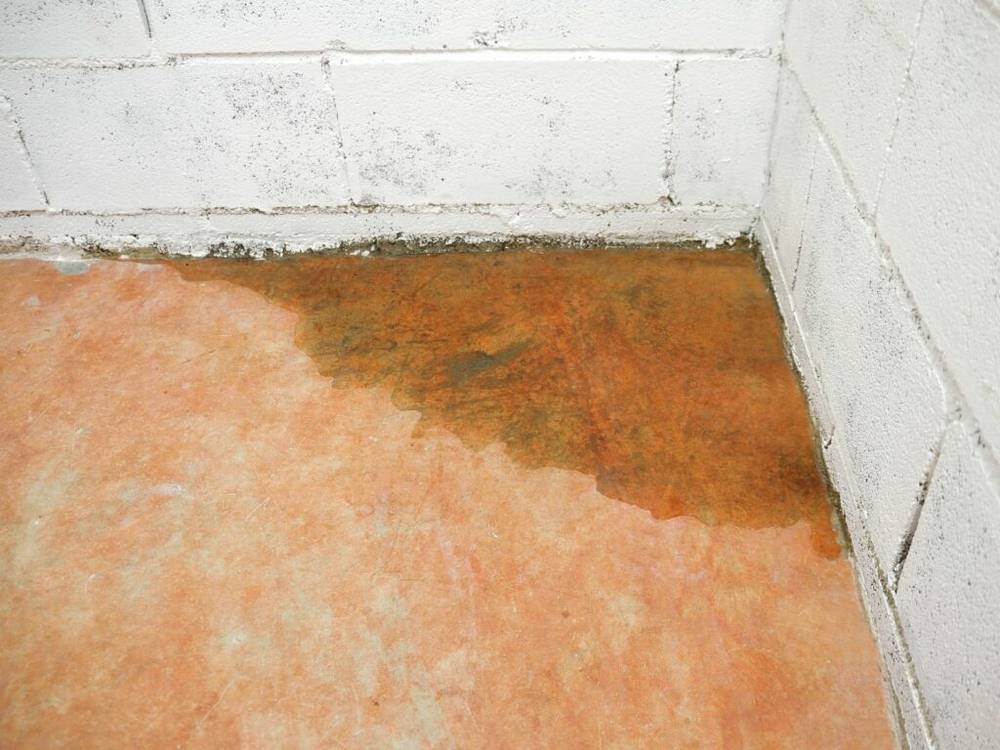
Why covering up moisture won't solve the problem
One of the most common mistakes is trying to simply hide a damp subfloor. New flooring is laid over the old concrete, a screed is applied or tiles are glued down in the hope that the room will be fine again. But if moisture rises from below, penetrates from the sides or is the result of leaks, it simply stays in the structure.
The result is then often worse than the original state. The moisture gets sealed under the impermeable surface, the space starts to smell even more, the concrete base keeps deteriorating out of sight, and the new floor is soon destroyed by mould or comes loose on its own. The first step must therefore always be to find out what type of moisture you are actually dealing with.
Where does moisture in a garage or warehouse come from
Not all moisture has the same cause. To choose the right approach, you first need to uncover its true origin. What are you most likely to encounter?
- Ordinary operational moisture – Water from melted snow or a wet car is not a major problem as long as the space has a chance to dry out and water doesn't stand in puddles for days.
- Condensation on a cold floor – It forms when warm air condenses on cold concrete, typically in spring and autumn. The floor "sweats" even though nothing is leaking into it. Proper ventilation or a dehumidifier will help most.
- Rising damp from the subfloor – Water penetrates from below due to missing or damaged waterproofing. It creates salt efflorescence, smells, and the concrete crumbles. Here, new flooring won't help until you fix the waterproofing.
- Water leaking in from outside – Moisture from leaky doors, cracks in the masonry or a poorly sloped driveway. It typically appears in bursts, usually after heavy rain or melting snow.
How to tell you have a problem with moisture under the floor
Sometimes moisture is obvious at first glance. Often, however, it shows itself in hidden ways, and the problem only gets addressed once the floor covering or stored material is already being damaged. The key is to watch for recurring signals.
The floor is damp for no apparent reason
A damp surface after a car arrives from the rain is a normal operational state. But if the floor is wet even on days when the space isn't used, no cleaning is taking place and it isn't raining outside, it points to a deeper problem. Most often it is condensation, water rising from the subfloor or damaged waterproofing.
Dark stains and efflorescence appear
Dark patches on the concrete, white salt efflorescence or a degrading coating are reliable indicators that moisture is passing through the subfloor itself. The concrete may appear dry on the surface while retaining water inside. As the water evaporates, dissolved minerals and salts rise to the surface and create these marks.
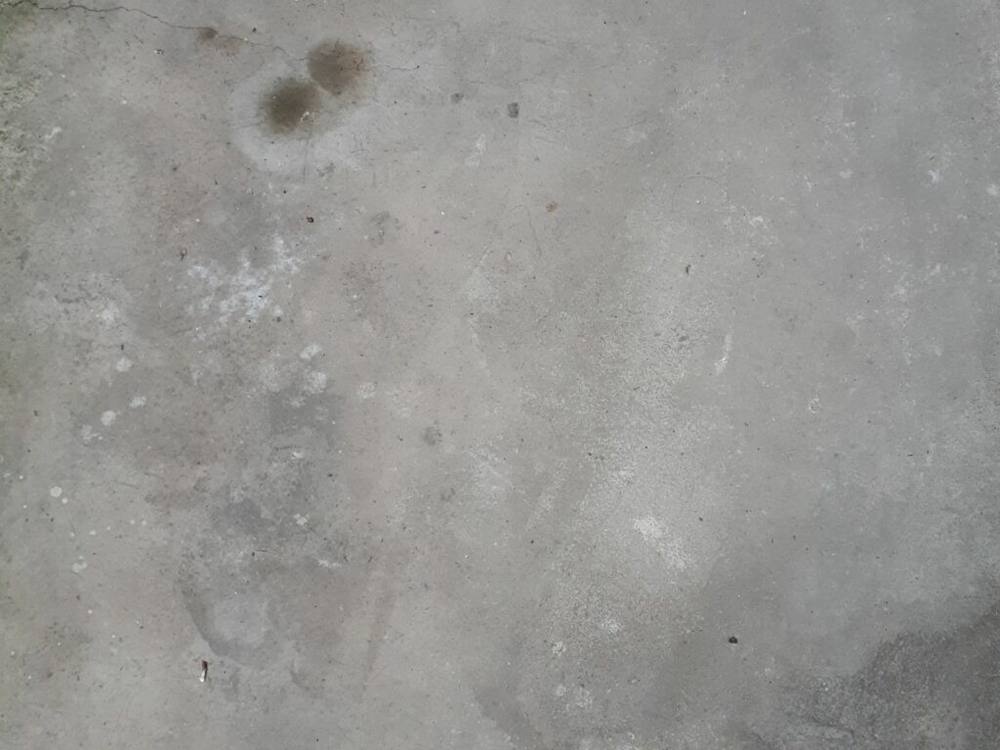
There is a musty smell in the room
Heavy, musty air in a warehouse or garage doesn't necessarily mean visible mould, but it is a clear warning sign. If this distinctive smell persists even after intensive ventilation and clearing out the space, hidden moisture has most likely been sitting in the structure for a long time.
The coating or floor covering is peeling off
A peeling coating, blisters or overall separation from the concrete base can be caused by a technological error during preparation, but very often trapped moisture is to blame. With epoxy screeds and fully glued coverings, the pressure of water vapour from the subfloor gradually breaks down the adhesion of the entire material.
Stored items get damp or mouldy
Cardboard, paper, textiles and wood react very quickly to increased air humidity. If these materials in your warehouse are systematically getting damp or degrading, it points to a disturbed indoor climate of the whole space. In that case the problem no longer lies in the floor alone and calls for a comprehensive assessment of the room's insulation conditions.
What to do about ordinary operational moisture
How do you recognise it? Moisture appears only after rain, after snow melts off the car or after cleaning. On dry days the floor dries out by itself without any trouble and water sits on the surface mostly in the form of puddles.
This type of moisture does not indicate a structural defect; you just need to adjust your daily routine and give water no chance to stand still.
- Improve ventilation. Ensure regular air exchange, whether through a vent grille or a short draught. In cold garages, however, beware of ventilating on hot summer days, as that leads to condensation.
- Don't let water stand. Squeegee or mop up melted snow and water right away. In a warehouse, never place wet items directly on the floor.
- Keep it clean. Dust and sand bind water and turn into mud. A non-absorbent, easy-to-maintain surface that doesn't trap dirt will make the situation much easier for you.
What to do about condensation
How do you recognise it? The floor "sweats" across its whole surface or gets lightly misted even though nothing is leaking into the room. It typically happens in spring and autumn, when warm humid air meets a cold concrete base.
Condensation is not the result of damaged waterproofing but of an unsuitable indoor climate. A change of habits is usually enough to put it right.
- Ventilate at the right time. Ventilate cellars and cold warehouses strictly during the cooler part of the day or when it is dry outside. Letting hot air in always makes the problem worse.
- Improve air circulation. Don't leave items pushed tight against the walls. Use shelving on legs and let air circulate freely, even in corners and behind furniture.
- Bring in a dehumidifier. If better ventilation doesn't help, an electric dehumidifier can quickly and reliably bring the humidity down in smaller spaces.
What to do about rising damp or water leaking in
How do you recognise them? Salt efflorescence forms on the floor, the coating peels, the concrete crumbles and the space permanently smells musty. Damp patches don't disappear even after ventilating. With water leaking in from outside, it appears locally (by the walls, under the door), usually after heavy rain.
If water is passing through the structure itself, laying a new floor has to wait, otherwise you will only dangerously seal the problem in.
- Find the source. Check the door seals, gutters, the slope of outdoor surfaces and the wall connections. Find out whether the waterproofing is missing or whether it is just a local defect.
- Consider professional remediation. Deeper problems require wall undercutting, masonry injection, a new waterproofing screed or drainage repair. A finishing floor covering will not compensate for these defects.
- Let the base dry out. Before you start dealing with a new floor, the concrete must be demonstrably dry inside, not just to the eye. It pays to check the result with a moisture meter.
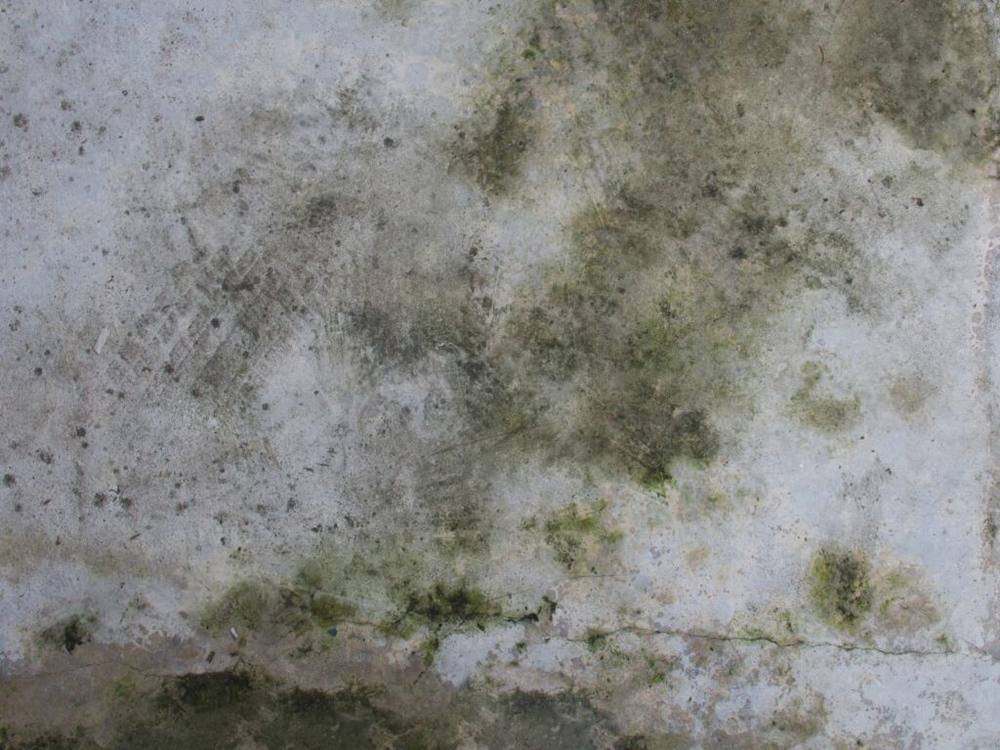
Which floor to choose for spaces struggling with moisture
The choice of floor depends mainly on the type of moisture involved. You will proceed differently with ordinary operational water from a car, differently with condensation and completely differently with active leaks.
Bare concrete
Bare concrete has the advantage of being cheap and already present in many garages. If it is sound and dry, it can serve for a while, but it is simply not suited to damp spaces. Because it is absorbent, it easily soaks up water along with dirt. On top of that, the surface is hard to maintain, crumbles over time and makes the space look permanently neglected.
Concrete paint
It can reduce the dustiness of the base, but it is extremely sensitive to how the base is prepared. If moisture rises from below, the paint will not stop it – on the contrary, blisters will form underneath and it will soon peel off. It is therefore only suitable for spaces that are guaranteed to be dry.
Epoxy or polyurethane screed
It creates a very durable surface, but requires a completely dry and stable base. If moisture stays trapped under the screed, the pressure of water vapour will sooner or later break down its adhesion and the screed will crack or detach.
Ceramic tiles
The tile itself can handle water, but the weak points are the absorbent joints and the adhesive underneath. Moisture from below gradually degrades the adhesive. In garages there is also the risk that in winter the water under the tiles will freeze and the tiles will simply pop off.
How interlocking PVC floor tiles can help
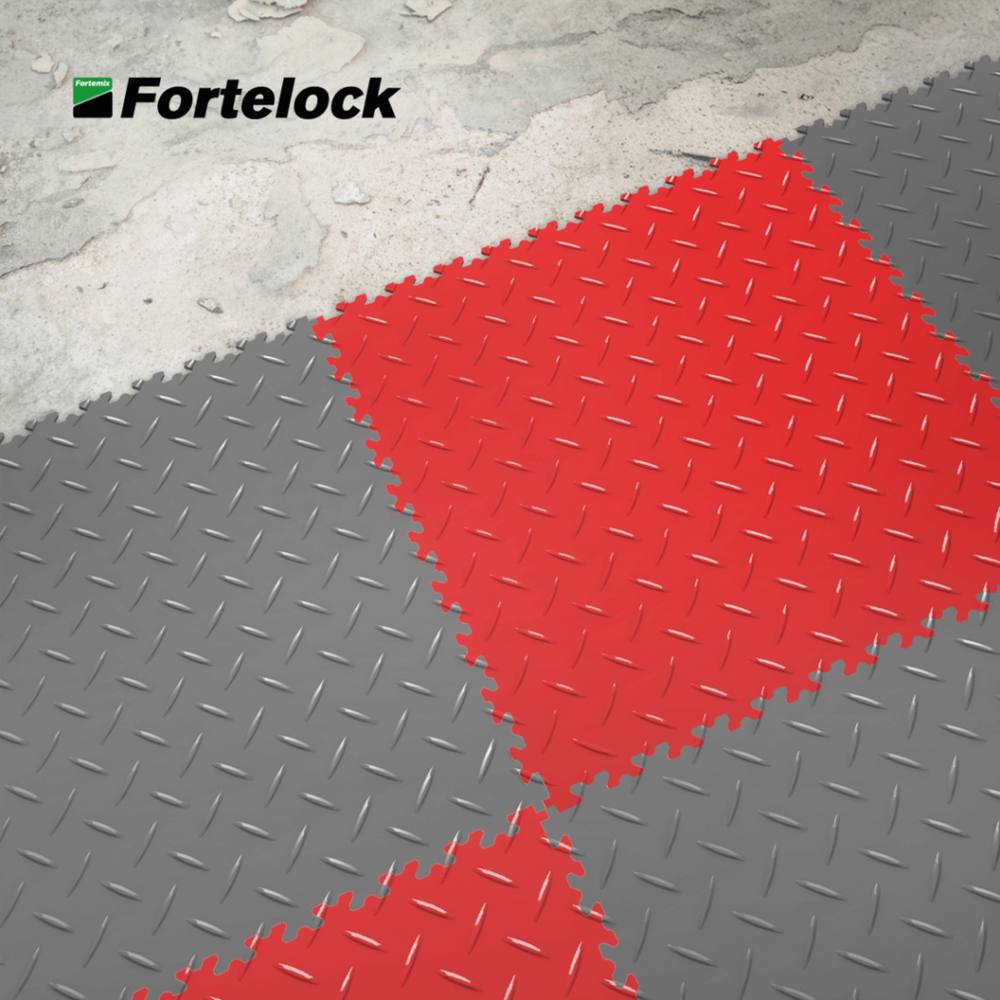
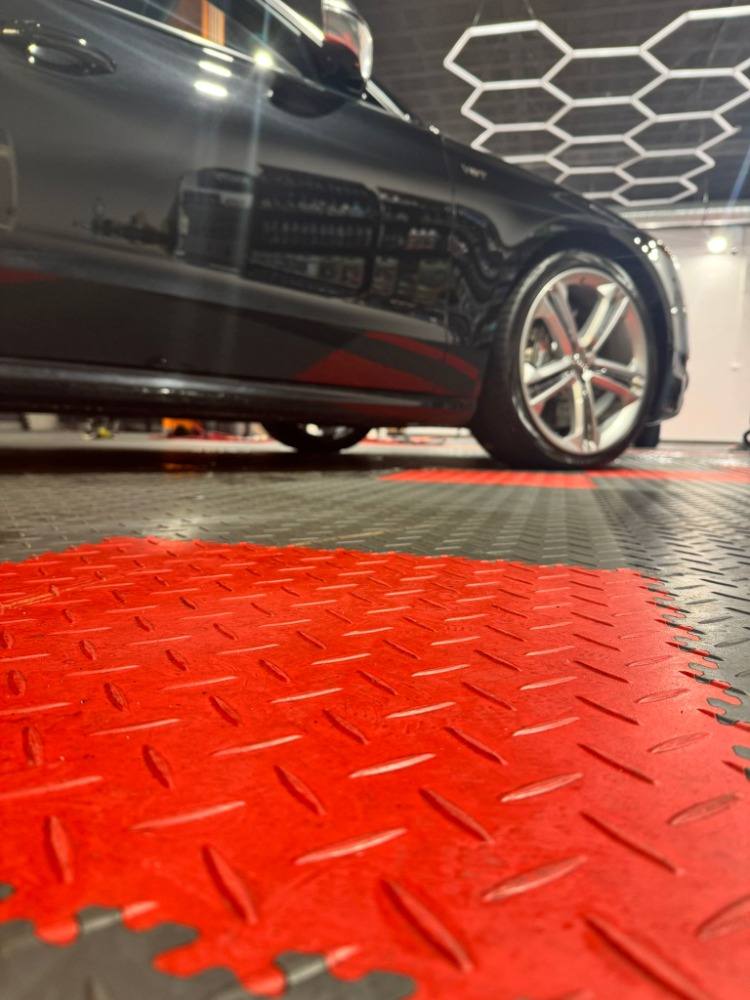
If you are looking for a highly durable surface with lightning-fast installation and easy maintenance, interlocking Fortelock PVC floor tiles are the ideal choice for garages, dry warehouses and utility rooms. They stand up superbly to mechanical loads and cope effortlessly with ordinary operational moisture such as water from a wet car or melted snow.
When PVC tiles help and when they don't
It is important not to confuse water resistance with watertightness or waterproofing. Fortelock performs excellently in surface contact with water and can ventilate away ordinary condensation. But if the base is actively weeping, water is leaking into the space or you are dealing with massive rising damp from the structure, the floor alone will not save it. You must first fix the structural cause and only then does it make sense to lay the final surface.
The AirFlow system for natural ventilation
Fortelock tiles have a unique system of AirFlow channels on their underside that supports air circulation and the drainage of any moisture. The floor therefore doesn't sit on the base like an airtight sealed slab. This is a huge advantage in normal operation or with mild condensation, when a small amount of water can get under the tiles.
Even so, it doesn't mean the tiles can be laid on permanently wet or problematic concrete. It works as a smart safeguard, not as a rescue from active leaks.
How dry the subfloor must be
According to the Fortelock technical data sheet, the term “dry concrete” has specific limits. A concrete or cement screed may have a moisture content of no more than 3.5%, an anhydrite screed 0.5% and timber subfloors such as OSB or plywood 10%. The relative humidity of the air in the room should not exceed 75% over the long term. If there is excessive moisture in the subfloor or the floor is cleaned with larger amounts of water, water-based fixing is not recommended and PU adhesive is used instead. Compare the values measured with a moisture meter against the Fortelock technical data sheet.
An end to dust and easy cleaning
Unlike old concrete, the tile surface doesn't create dust and doesn't absorb dirt. Water, dust, sand and tracked-in mud are much easier to clean off it. If oil or cleaning chemicals are spilled, simply wipe up the liquid in time and wash the spot. The main benefit here is not absolute impermeability, but far more practical maintenance and protection of the base against permanent contamination.
Higher resistance thanks to sealed joints
In spaces where liquid spills are more likely, you can increase the floor's resistance to surface water even further. On selected tile types the joints can be glued (a so-called cold weld) or you can opt for full-surface gluing. This minimises the risk of water seeping through from above. But even this solution doesn't change the basic rule – gluing will not stop rising damp. The structural cause has to be fixed first.
Ideal for everyday loads
The tiles are designed from the ground up for mechanical loads, vehicle traffic, equipment handling and material storage. If you have a dry and sound base, laying interlocking PVC floor tiles will dramatically raise the comfort of the whole space. You will very quickly turn an old dusty garage or unsightly warehouse into a clean, functional and easy-to-maintain room.
Frequently asked questions
How do I get moisture out of a concrete garage floor?


First find out what kind of moisture you are dealing with. Operational water just needs to be squeegeed away and the space ventilated. With condensation, ventilating during the cooler part of the day and using a dehumidifier helps. Rising damp and water ingress require the cause to be fixed, i.e. the waterproofing, door seals or drainage. Only then let the concrete dry out demonstrably and check it with a moisture meter.
Can PVC floor tiles replace damp proofing of the floor?
No. Interlocking PVC tiles are not a waterproofing layer and will not stop rising damp or water ingress, so the structural cause must be dealt with first. The Fortelock technical data sheet also explicitly states that glued-down tiles must not be laid in rooms with insufficient insulation against ground moisture.
What should I do if water from my car gets under Fortelock tiles?
A small amount of water is not a problem, because it evaporates thanks to the AirFlow system. Larger amounts need to be wiped up, the affected tiles taken out and the water underneath dried. The technical data sheet also points out that even with tiles that have a drainage system, moisture may get into the joints. Find out more in the article Fortelock PVC tiles – resistance to water and moisture.
Do all Fortelock tile ranges have the AirFlow system?
No. Air-Flow is listed on the pages of the Industry, Industry Ultra and Invisible ranges; it is not mentioned for the XL, Business, ESD, XL ESD and Invisible XL ranges. With Industry Ultra, the ventilation channels carry moisture to the surface where it evaporates, so the floor stays stable even in damp or unheated spaces.
Can the joints of interlocking tiles be sealed against water from above?
Yes, with selected types. Depending on the design, edges and cut joints can be heat-welded with a welding cord, cold-welded or glued, or the tiles can be fully glued down. The Fortelock Business range has the patented ZeroGap system, which minimises water permeability at the joints. Neither, however, will stop moisture rising from the subfloor.