18. 10. 2025
Anti-Slip Flooring: What R9 to R13 Means and How to Choose the Right One
What the R9 to R13 rating means
The R9–R13 rating indicates the degree of slip resistance of a floor according to the international standard DIN 51130. The standard tests what angle of inclination is needed for a person to slip on the floor. The higher the R number, the greater the angle the tester has to reach during the test. And the safer, i.e. less slippery, the floor is.
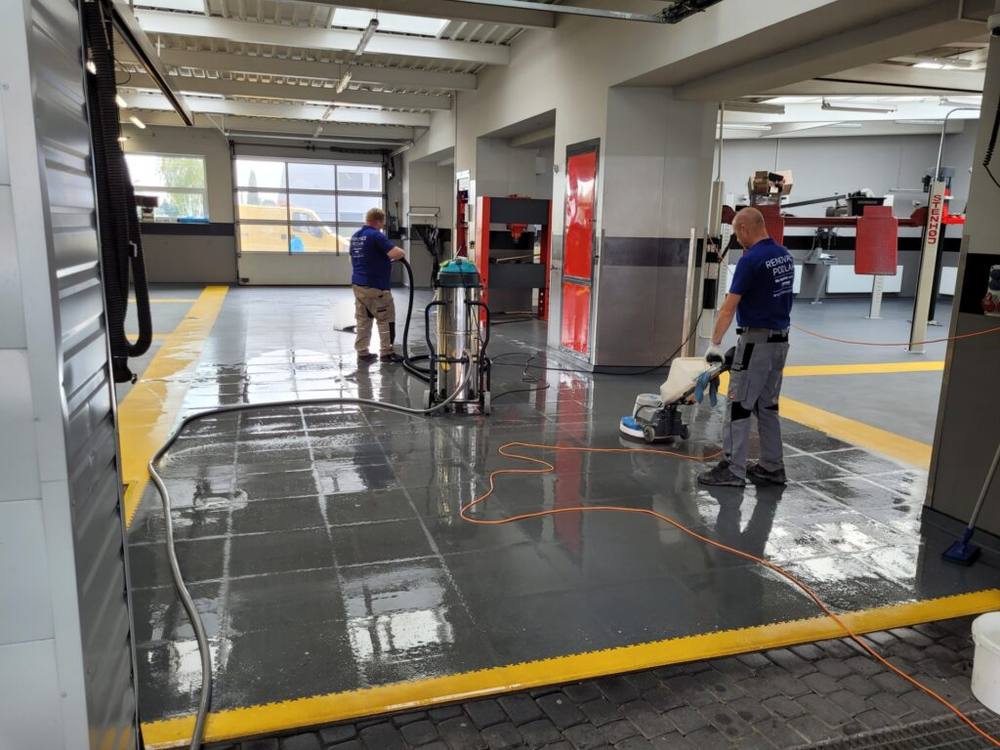
The differences between the individual classes may seem small, but in practice they determine employee safety, walking comfort and how easy the floor will be to maintain.
In other words:
- R9 stands for a basic level of slip resistance, sufficient for dry, ordinary spaces.
- R13 represents the highest degree of slip resistance. It is used in extreme conditions where oils, greases or water are involved.
How floor slip resistance is measured
The test is carried out on a so-called test ramp whose surface is covered with the material being tested. The test person wears special footwear, the floor is coated with an oil film and the ramp is slowly tilted until slipping occurs. The angle at which this happens is recorded and the R class is determined from it.
The result therefore shows how safely a person can move on the floor even in slippery conditions. At the same time, the higher the slip resistance, the rougher the surface tends to be. This increases safety, but it also makes cleaning somewhat more difficult. That is why, when choosing a floor, you need to strike a balance between safety and easy maintenance.
Overview of slip resistance classes R9–R13
Each slip resistance class has its clear purpose. It depends on the environment in which the floor is used and whether it is exposed to water, oils or other substances that can reduce grip. The following overview will help you find your way around the individual grades and choose the right type of flooring for your space.
R9 – basic slip resistance for dry spaces
Floors rated R9 have the lowest slip resistance. They are suitable for dry, clean spaces with no risk of contact with water, oils or grease. They are typically used in offices, shops, schools or living spaces. Their advantage is easy maintenance and a smooth surface that cleans well, but they are not suitable for damp or industrial environments.
Typical uses of R9 floors:
- offices
- shops
- low-traffic warehouses
- administrative spaces
R10 – a universal choice for everyday operations
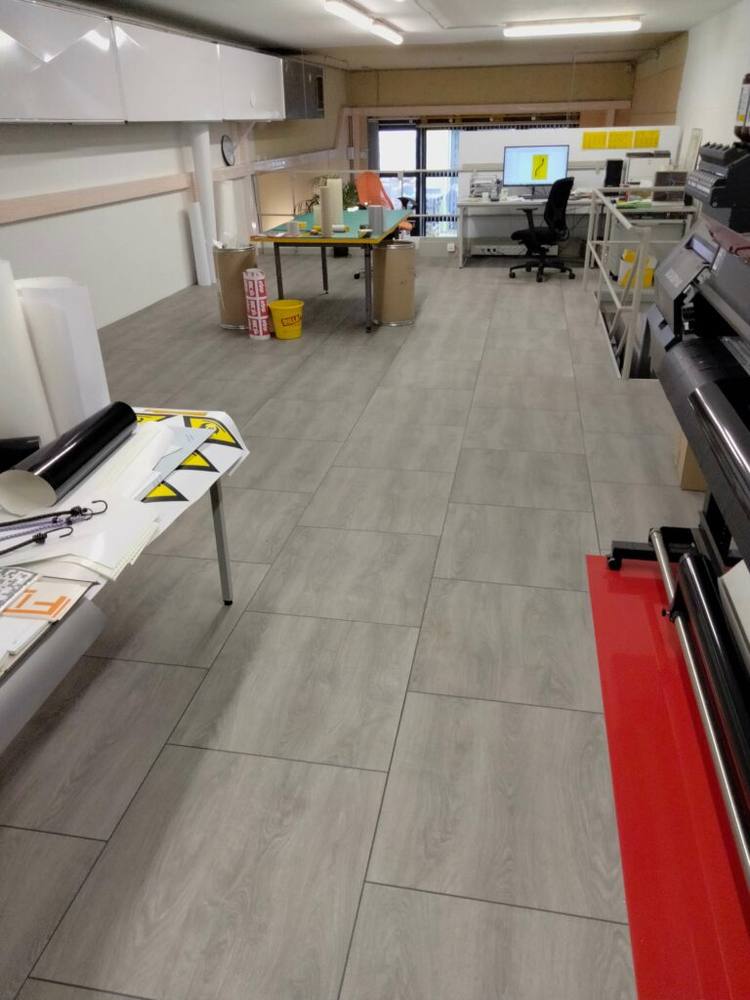
Class R10 is the most commonly used level of slip resistance. It offers a balanced ratio between safety and easy maintenance. You can walk on the surface with enough confidence even when it is slightly damp, and it still cleans easily. R10 floors are used in production halls, workshops, warehouses, fitness centres and public spaces where safety and durability matter.
Typical uses of R10 floors:
- production and service operations
- gyms
- garages
- busier warehouses
R11 – extra confidence on slippery surfaces
R11 floors are suitable for environments where water or other liquids are handled. They provide good stability even on a wet surface, which is why they are often used in food processing plants, kitchens, car repair shops or car washes. They have a more pronounced surface texture that increases grip but also calls for more regular maintenance.
Typical uses of R11 floors:
- kitchens
- food processing operations
- repair shops
- car washes
- technical workshops
R12 – high slip resistance for demanding environments
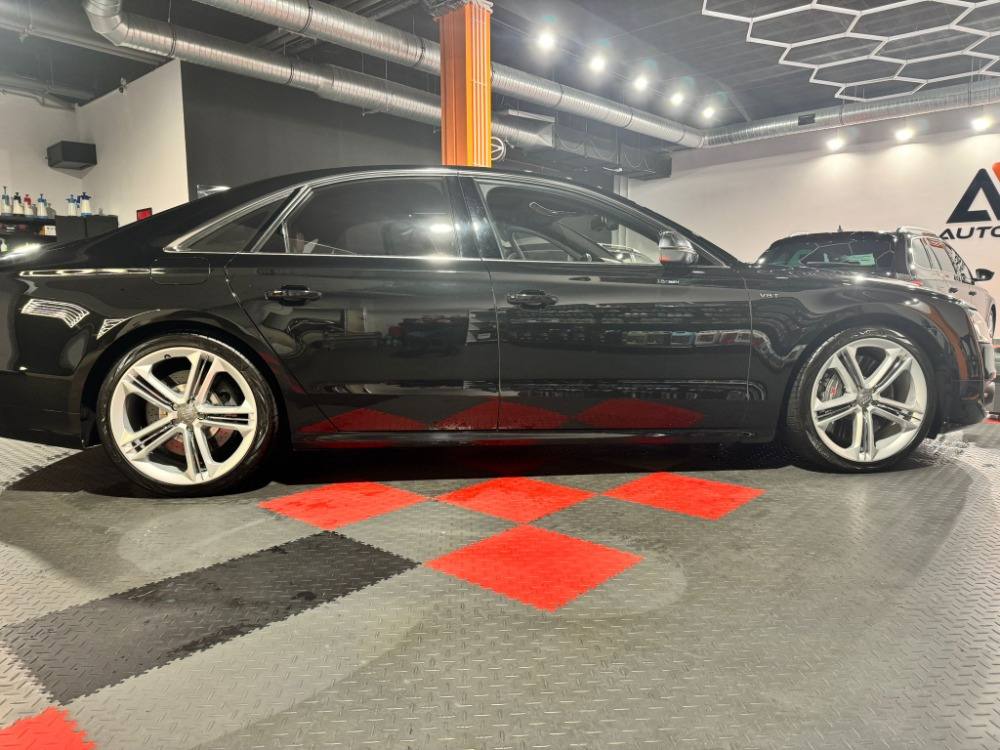
This grade is intended for operations with a higher risk of slipping, where oils, greases, lubricants or other slippery substances are present. The R12 surface ensures safe movement even under extremely demanding conditions and is used, for example, in the automotive industry, mechanical engineering or chemical production.
Typical uses of R12 floors:
- industrial halls
- production lines
- operations with oils and lubricants
- heavy manufacturing
R13 – maximum safety for extreme conditions
Floors rated R13 provide the highest possible level of slip resistance. They are designed for environments with large amounts of liquids, grease or dirt that could cause slipping.
You will find them, for example, in meat processing plants, chemical plants, refineries or industrial kitchens. They have a very rough surface that guarantees stability, but cleaning is naturally more demanding.
Typical uses of R13 floors:
- food industry
- meat processing plants
- handling of oils and chemicals
- heavy industry
How to choose Fortelock anti-slip flooring
Every operation has different conditions. In some places aesthetics are key, elsewhere it is safety and resistance to oils, water or frequent machine traffic. To make the decision easier, let's take a look at the individual types of Fortelock tiles and their recommended use by slip resistance grade.
All Fortelock PVC tiles undergo rigorous testing and meet the requirements of safety and slip resistance standards. Depending on the surface texture, they mostly range from R10 to R12, which guarantees a sure step even in more demanding conditions, while remaining easy to clean thanks to the closed, non-porous structure of the material.
Fortelock Industry: confidence for operations with higher loads
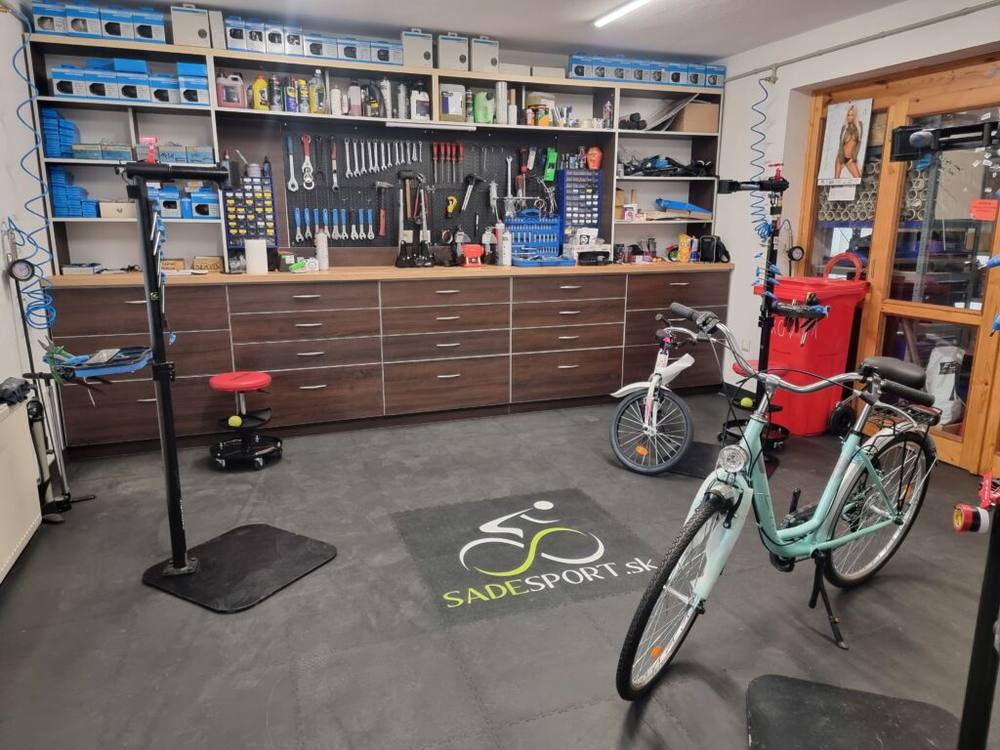
The Fortelock Industry range is the ideal choice for warehouses, workshops, garages or production areas that need a solid, durable floor with R10 slip resistance. It handles high point loads, forklift traffic and frequent wheel turning on the spot. The surface has a finely textured pattern that increases safety yet remains easy to clean. In short, an ideal combination for everyday operation.
Suitable for:
- warehouses
- garages
- production areas
- repair shops
- technical rooms
Fortelock Invisible: functional, with a clean design
If you are looking for aesthetics as well as durability, Fortelock Invisible is the ideal choice. It offers the same technical parameters as Industry (R10 slip resistance), but thanks to special locks the joints are almost invisible after installation. The surface looks compact and elegant, which you will appreciate above all in showrooms, retail spaces or workshops where the overall visual impression matters. At the same time, the floor keeps all the advantages of the Fortelock system: strength, durability, easy maintenance and the option of replacing individual tiles.
Suitable for:
- showrooms, shops
- repair shops
- smaller production operations
- design workshops
Fortelock Business: a representative surface for public spaces
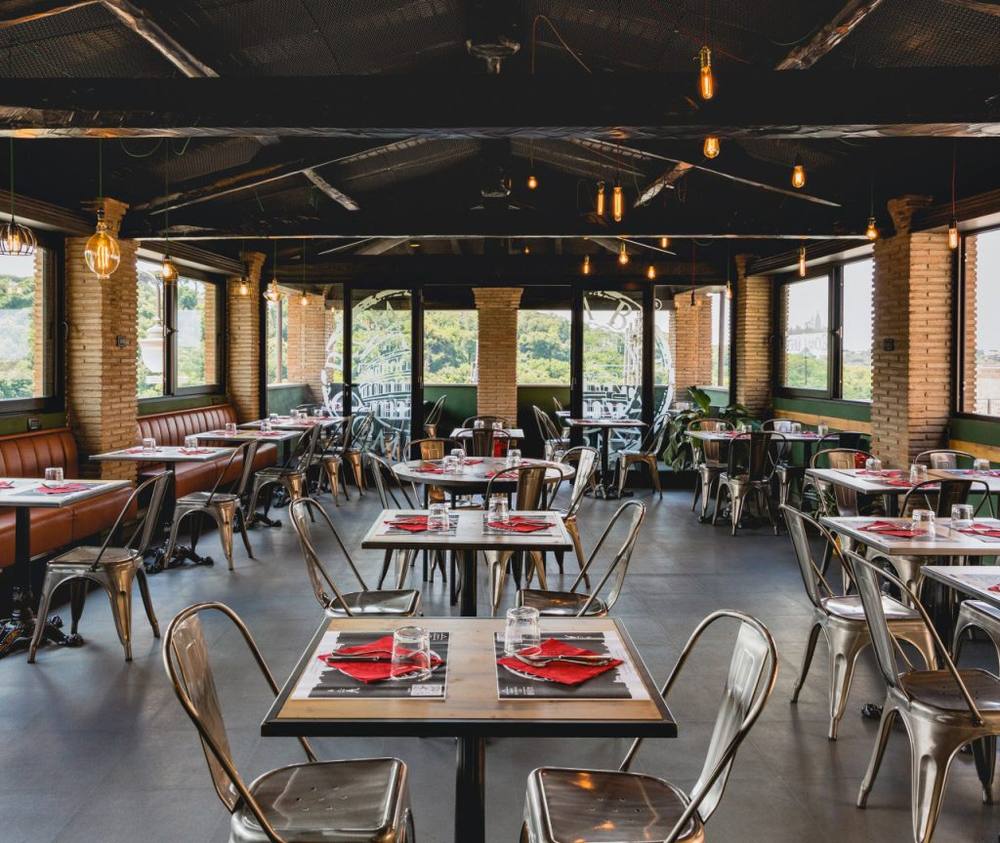
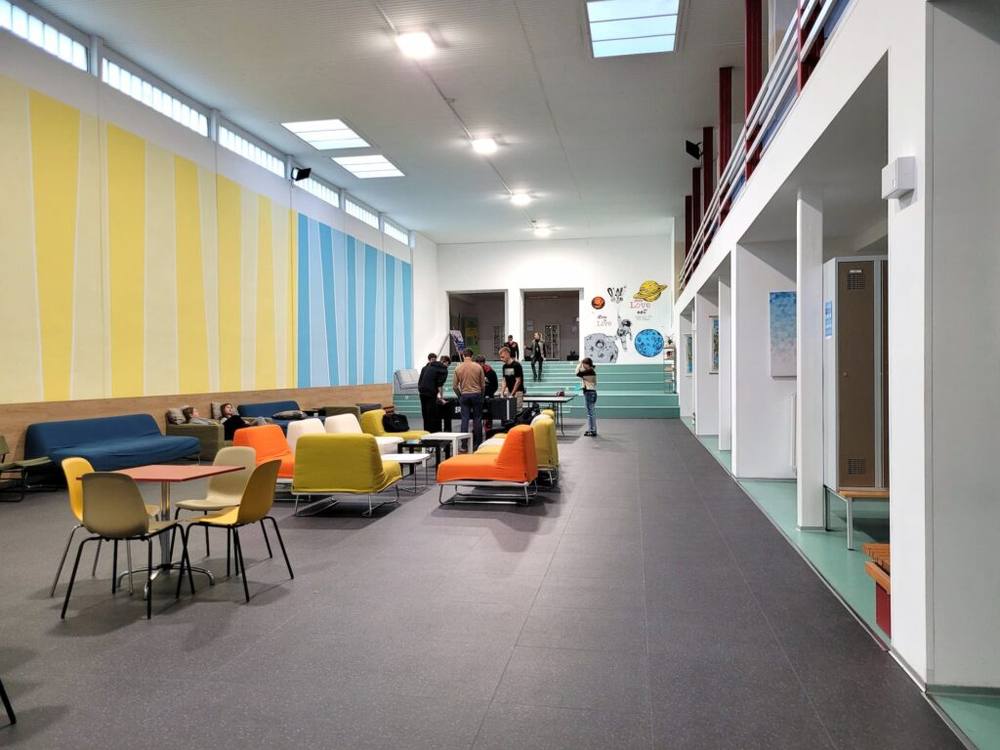
The Fortelock Business range has a smoother surface with R9–R10 slip resistance, ideal for spaces where appearance matters but a safe, stable step is required at the same time. Thanks to its elegant design resembling classic tiles or concrete, it is popular in offices, shops, showrooms and schools. It is easy to clean, pleasant to walk on and resistant to everyday traffic.
Suitable for:
- shops
- showrooms
- offices
- entrance halls
- exhibition spaces
Fortelock Industry Ultra: extreme durability and a sure step
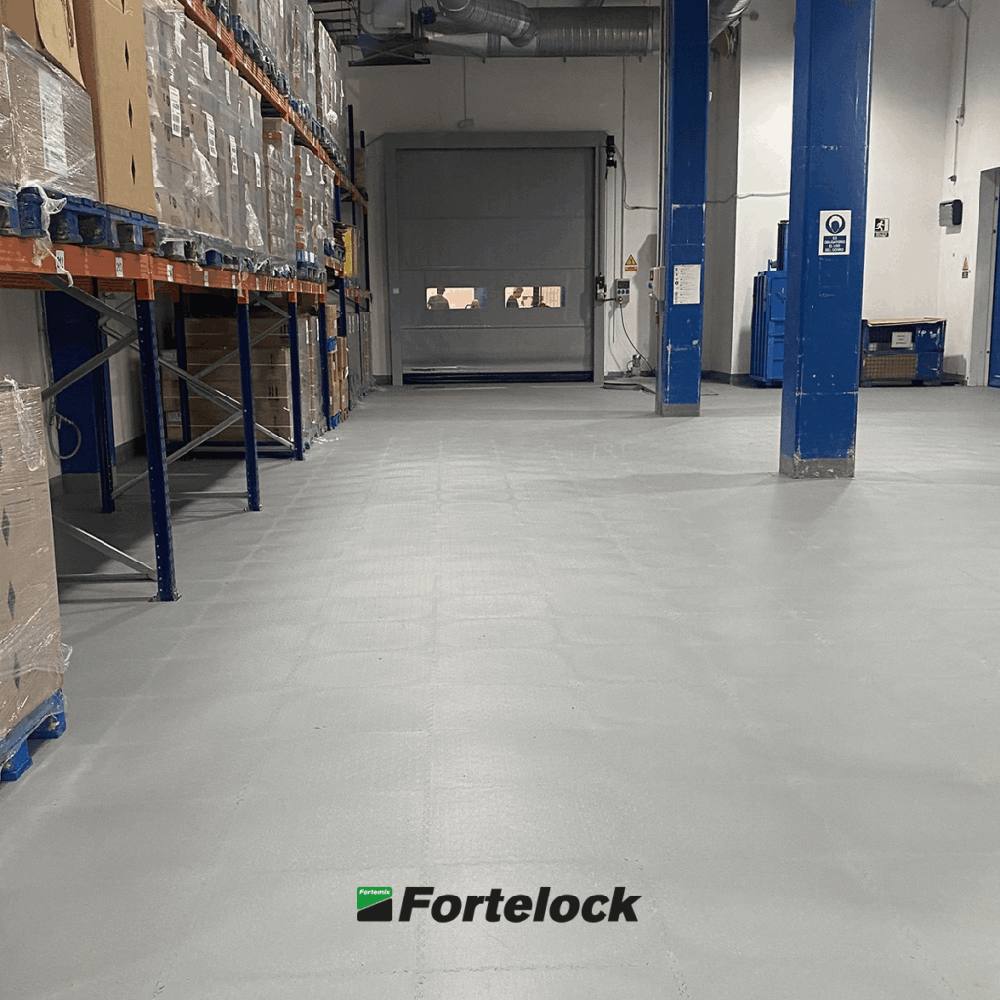
Fortelock Industry Ultra is designed for environments where the floor faces truly extreme loads. It has the same R10 slip resistance grade as the other ranges, but thanks to its reinforced construction it can handle even higher point loads and frequent turning of heavy machinery on the spot. It is ideal for operations with daily forklift traffic, palletised goods or heavy machines. Even under such loads, the surface remains safe, stable and easy to maintain.
Suitable for:
- automotive industry
- engineering plants
- steelworks
- large logistics warehouses
- industrial halls with round-the-clock operation
Why Fortelock makes sense for anti-slip solutions
Unlike traditional epoxy or ceramic surfaces, Fortelock can be installed quickly, without adhesives and without shutting down your operation. The strong interlocking system holds the tiles together even under heavy loads, so the floor is fully functional immediately after installation. Thanks to the modular design, you can also combine different types and textures. For example, you can lay a smoother surface in the sales area and use a rougher one in the back rooms or the workshop.