16. 5. 2026
Flooring for a restaurant, café or bistro: what it must handle and how to choose
Why choosing a floor for gastronomy is harder than for an ordinary interior
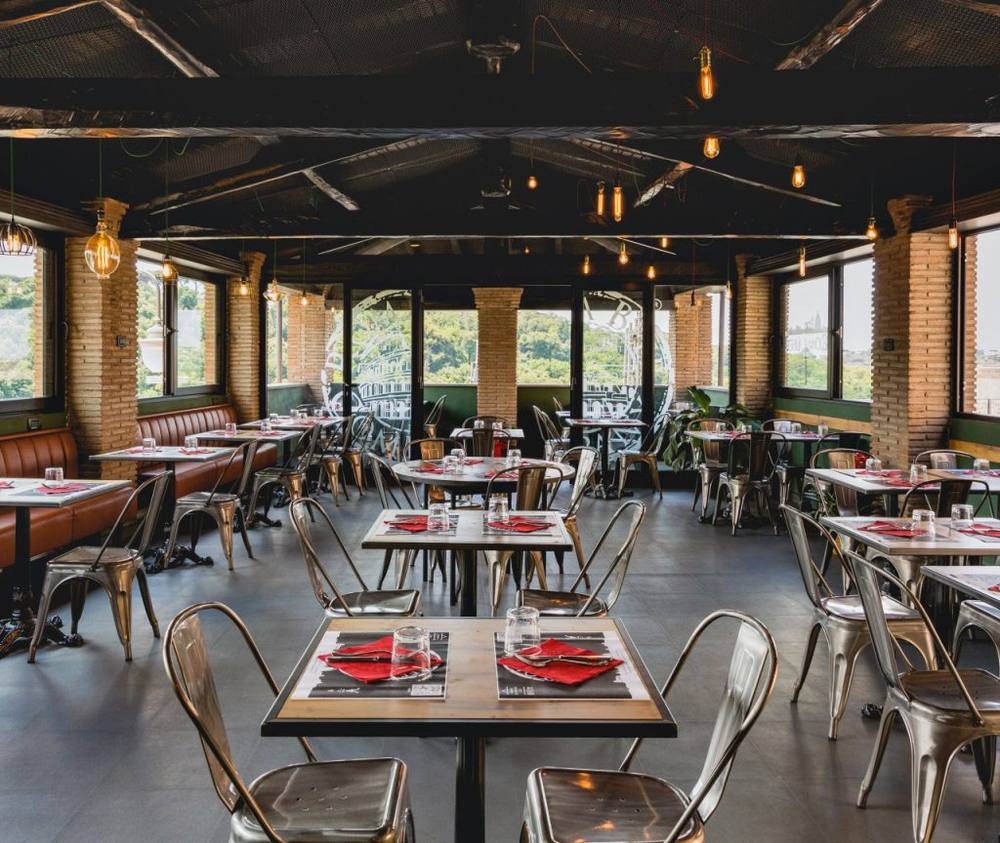
While at home we mainly care about looks, and in industrial facilities purely about raw durability, gastronomy demands both. Floors here face extreme loads and intensive cleaning, yet they also have to look representative. A neglected or unsuitable surface instantly shapes guests' subconscious impressions and can spoil the experience of an otherwise outstanding venue.
Everyday operation means heavy loads
Movement in food-service premises is fast and constant. Every day, guests bring in moisture, dust and aggressive road salt on their shoes. At entrances, around bars, tills, toilets and along the main corridors, where the floor takes many times more punishment than in the rest of the space, extremely exposed spots develop.
Add to that the constant shifting of chairs, moving of tables, cleaning trolleys rolling by, deliveries or rearranging furniture during private events. The floor in a café or restaurant therefore cannot meet aesthetic criteria alone. It must above all be heavy-duty, dimensionally stable and designed for long-term commercial use.
It is not just about guests, but about staff too
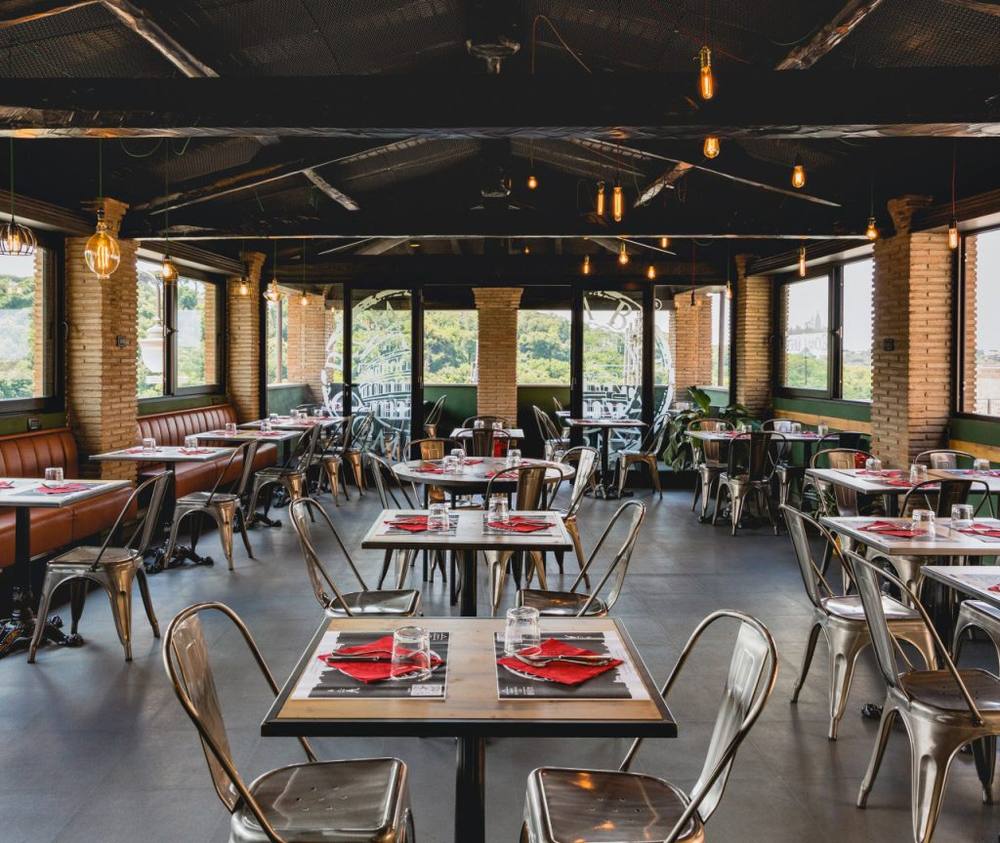
When fitting out a venue, people often think mainly of the impression on guests. But we must not forget the staff, who spend an entire demanding shift on their feet and walk kilometres. On top of that, in gastronomy other factors such as spilled water, wine or grease are a daily occurrence. If the floor is slippery or difficult to maintain, it means unnecessary fatigue and a safety risk for the staff.
The covering must therefore first and foremost allow lightning-fast cleaning and give staff confidence with every step. A reliable anti-slip finish is essential – for gastronomy, floor ratings of R9 to R10 (according to DIN 51130) are the standard recommendation. A well-chosen surface is a crucial step towards preventing injuries and ensuring safe movement even in the busiest rush.
What a quality floor for a restaurant, café or bistro must deliver
When choosing flooring for a food-service operation, it is not enough to look at the price per square metre or an attractive decor. What matters is seeing the covering in a broader context: how it performs in real operation, how easy it is to maintain, what it can withstand when accidents happen, and whether it will keep matching the overall concept of the venue in the long run.
Resistance to wear
The heaviest load falls on entrance zones, the area around the bar and the main corridors. A chapter of their own are the spots under the tables – the constant pushing of chairs is a frequent source of scratches and scuffs that soon make the covering look visually tired.
A quality floor must therefore cope not only with thousands of footsteps every day but also with constant handling of heavy furniture. Once the surface loses its original appearance in exposed spots, the whole interior starts to look worn and neglected.
Easy maintenance during the day and after closing time
Cleaning in gastronomy is not a one-off affair. While during a shift the staff quickly deal with local mishaps, thorough cleaning follows after closing. It is absolutely crucial that the surface does not trap dirt, dust or grease. In venues with high customer turnover, what matters is how quickly and efficiently the floor can be wiped down and disinfected, even when using stronger cleaning agents.
Resistance to moisture and spilled liquids
Spilled coffee, a knocked-over glass of wine, drops of grease or winter slush from shoes… In gastronomy, the floor simply never stays dry. It is therefore essential that the covering prevents liquids and dirt from penetrating deeper into the joints.
Joints are the Achilles' heel of many floors, because residues settle in them over time and are very hard to remove. The ideal choice is therefore a surface with minimal water permeability that simply gives dirt no chance.
Safety for guests and staff alike
Safety must be guaranteed even the moment a guest walks in with wet shoes or the bartender spills a few drops from a jug. Slip resistance is therefore not just a technical parameter but an absolute necessity for maintaining smooth and safe operation.
No covering will relieve staff of the duty to wipe up a puddle quickly, but a properly chosen anti-slip surface significantly reduces the risk of a common operational mishap turning into a dangerous fall.
A look that underlines the atmosphere
Guests perceive the interior as a whole. A floor can make a space cosier, visually enlarge it or give it a distinctive character. While a warm wood decor fits perfectly into a cosy café, a modern bistro will appreciate the minimalist look of screed concrete.
Design, however, must go hand in hand with practicality. On a very light surface every drop stands out, while an extremely dark one instantly shows dust and shoe marks. The chosen look should therefore respect not only the brand identity but also the real level of everyday wear.
What types of flooring are used in restaurants and cafés
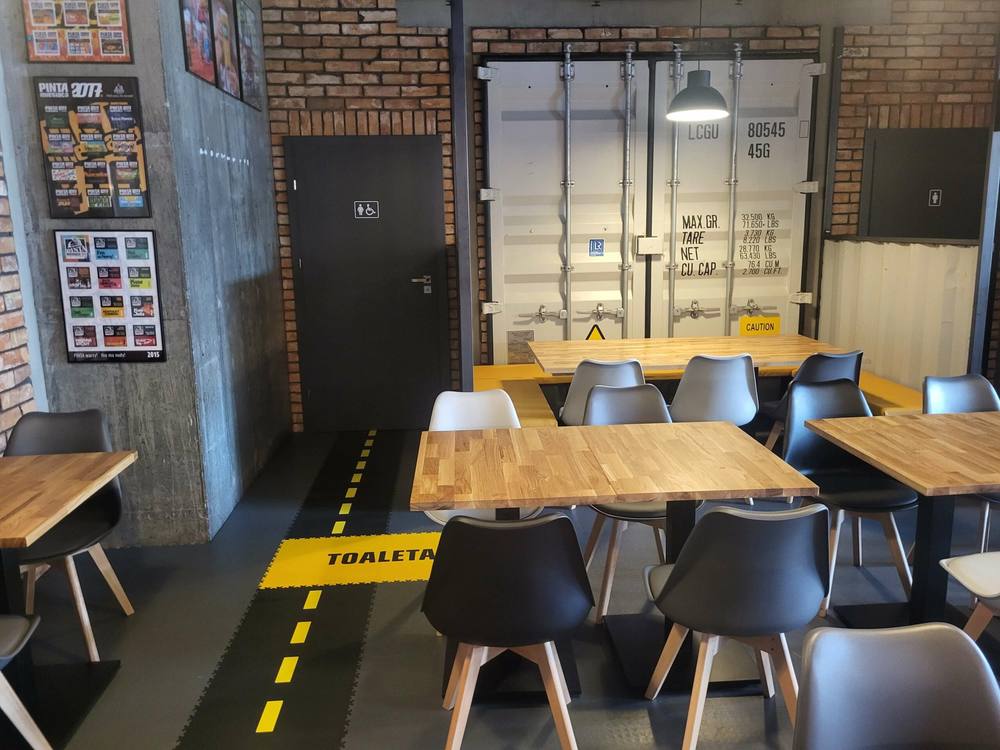
Every floor covering has its advantages and limits. There is no single universal solution that suits everyone. The choice depends on the nature of the operation, the budget, the condition of the existing subfloor and, last but not least, on how quickly you need to open the venue to guests.
Ceramic tiles
A classic that most people automatically associate with durability. In gastronomy it works well wherever a hard and solid surface is needed.
It has its downsides too – it is cold, dampens noise poorly, and standing on it for hours is not at all pleasant for staff. Its biggest weakness is the grout lines, where dirt and grease quickly accumulate. And if a tile cracks, its replacement tends to be complicated, especially when you no longer have the original format or batch in stock.
Vinyl flooring
Vinyl has become popular thanks to its pleasant feel underfoot and the huge choice of decors that can create a cosy atmosphere. The problem arises when ordinary residential vinyl is used in a food-service operation instead of a durable commercial solution.
Conventional fully glued vinyl planks also require a perfectly level, professionally prepared screed. If the subfloor is underestimated, the floor simply will not survive the extreme daily load.
Poured and epoxy floors
Poured floors offer an absolutely seamless, joint-free surface and fit perfectly into industrial and modern concepts.
Their big disadvantage, however, is the complicated installation. They require demanding subfloor preparation, long curing breaks for the material to mature, and even local repairs are problematic. If you need to renovate a space quickly or just over a weekend, a poured floor will hold you back.
Interlocking PVC floor tiles
This type of covering represents the ideal combination of premium looks, extreme durability and lightning-fast installation. The tiles simply click together with solid interlocks, so lengthy full-surface gluing and the associated disruption of operation are often completely unnecessary.
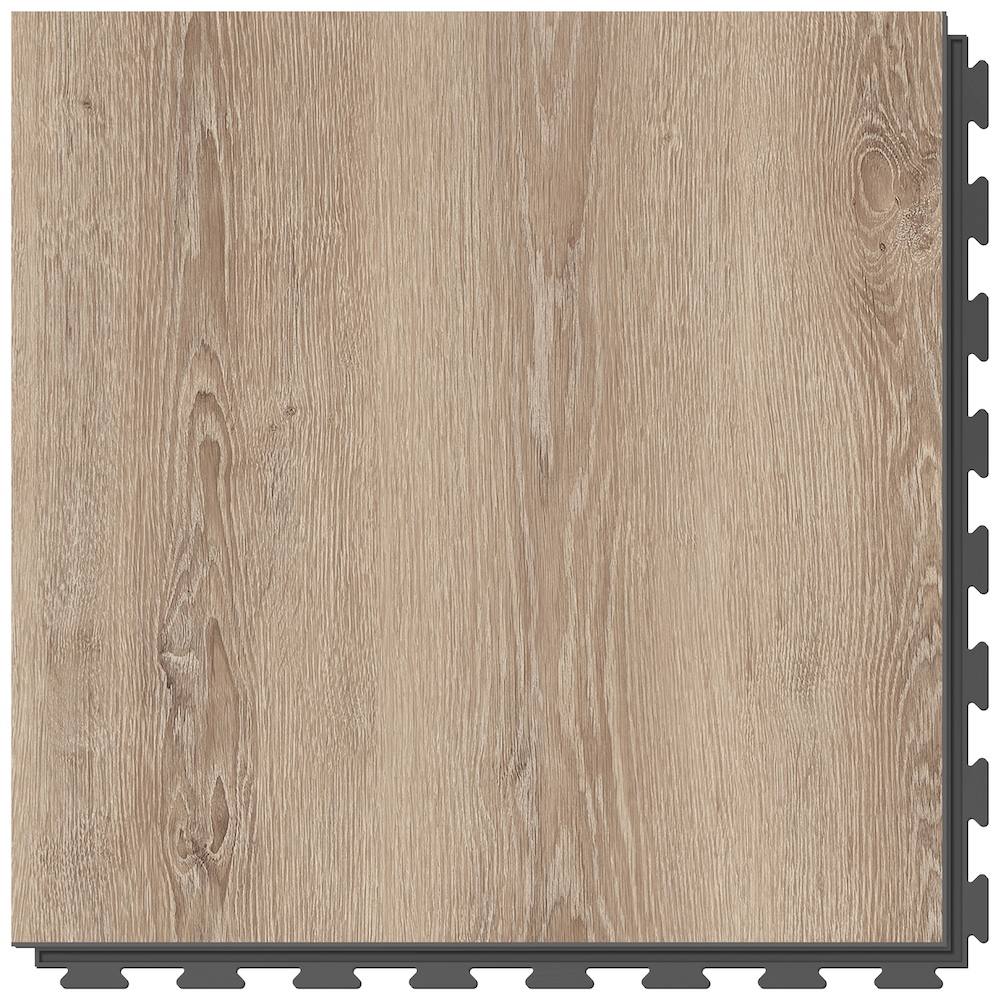
It is precisely with this idea in mind that the Fortelock Business range was created. It combines the durability of traditional PVC tiles with the representative design of heavy-duty vinyl. Thanks to precise hidden interlocks and the patented ZeroGap system, it also solves the classic problem of joints and minimises the penetration of water and dirt.
It is an elegant choice wherever you want to avoid gluing conventional coverings, renovate a space literally overnight and still keep a premium look. It fits perfectly into busy modern bistros as well as classic Viennese-style cafés.
Where in a restaurant or café it pays to plan the floor most carefully
The load is not the same throughout the venue. When choosing a covering, it therefore pays to divide the interior into several functional zones and consider the operational specifics of each:
- Entrance area – The place of first impressions, which at the same time faces an extreme onslaught of moisture, mud and grit from the street. Maximum durability is essential here, ideally combined with a quality entrance mat.
- The area between tables – In this part, the floor's greatest enemy is the constant shifting of chairs. The covering must therefore resist scratching, dampen the noise of footsteps and visually match the rest of the interior.
- Around the bar and the till – A zone of constant staff movement and a high risk of spilled drinks. Absolute slip resistance and lightning-fast washability are key, all without design compromises.
- Back of house and busy corridors – Spaces guests never see, but where staff walk kilometres. Passages, storerooms and routes to the toilets must handle a tough routine. Kitchens themselves are a specific chapter: hygiene and safety standards there are so strict that they usually call for a completely individual flooring solution.
Why Fortelock Business is the ideal choice for a restaurant or café
Fortelock Business makes sense wherever you refuse to compromise between top-class design, extreme durability and speed of installation. Its strength lies not in a single technical parameter but in the fact that it elegantly solves several operational challenges at once.
A representative look without distracting details
In a restaurant or a cosy café, the floor must never look industrial or makeshift. Guests notice every detail and the overall harmony of the space.
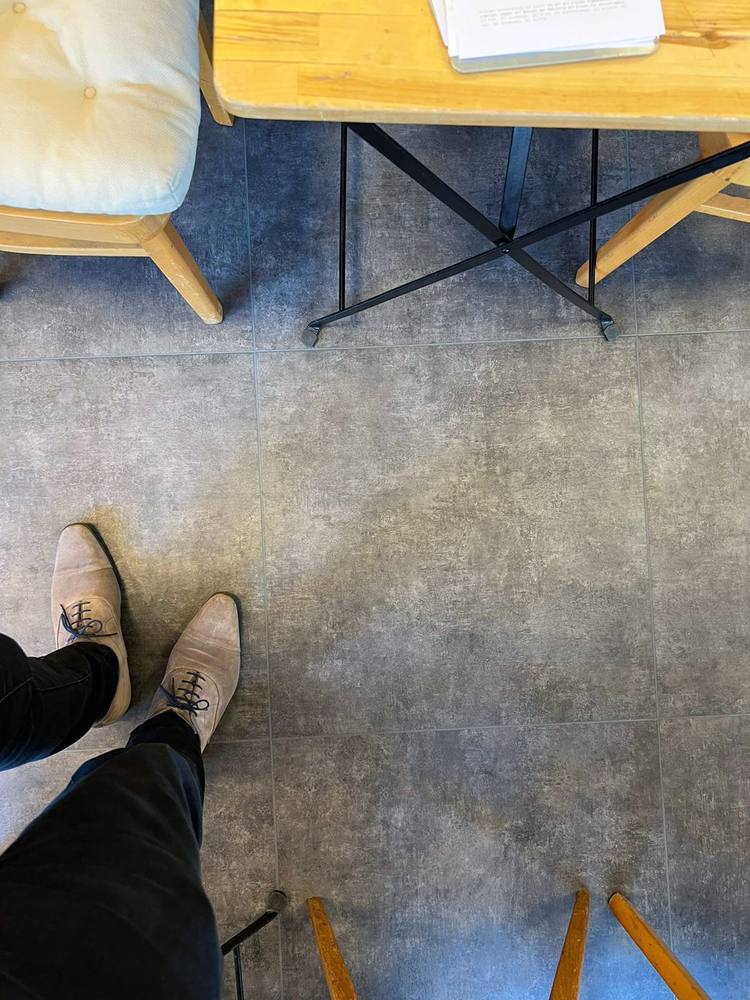
That is why the Fortelock Business range features completely hidden interlocks that do not disturb the design and create a visually seamless surface. There is a wide range of decors to choose from, from warm wood to modern screed concrete, so you can easily match the covering to any venue concept.
Fast installation with no revenue lost to downtime
Every day you have to stay closed for renovation means real lost revenue for the business. Conventional construction work, lengthy floor gluing and technological pauses for materials to dry can noticeably paralyse operations.
The installation of Fortelock floors is therefore designed to be lightning-fast and often entirely without any interruption of operation. Especially with cafés and bistros, you can transform the interior literally overnight – cleanly and without unnecessary construction dust.
A smart investment in rented premises
Many venues operate in rented buildings, which raises a fundamental dilemma – is it worth investing serious money in a floor when you do not own the space? With a conventional fixed covering, you lose your investment when you move.
But if the business relocates, Fortelock Business tiles can simply be taken apart and moved to the new location. Your investment is therefore not permanently tied to one specific address.
Lightning-fast replacement of a damaged piece
In demanding operation, the floor can get damaged despite all precautions. While with other surfaces the repair is complicated, visible or requires an expensive replacement of the entire area, with a modular system you are covered. If a specific spot gets ruined, you simply lift out the damaged tile and replace it with a new one. It is an elegant, low-cost repair done in a few minutes that does not disrupt the daily running of the business in any way.
The floor as a solid foundation of a successful food-service business
Choosing a floor covering for gastronomy is not just a question of aesthetics. It is a strategic decision that every day affects the safety and fatigue of your staff, the overall atmosphere of the venue and your operating costs. A flawless look may catch guests' attention at first glance, but only extreme durability and lightning-fast maintenance will ensure the interior keeps working smoothly even on the most demanding days.
With the Fortelock Business range, you no longer have to choose between design and practicality when fitting out your venue. You get a representative surface that withstands the daily onslaught, makes cleaning easier and, thanks to fast installation, will not cost you revenue from a long-closed business.