19. 6. 2024
Conductive floors: A safe solution in ATEX-regulated operations
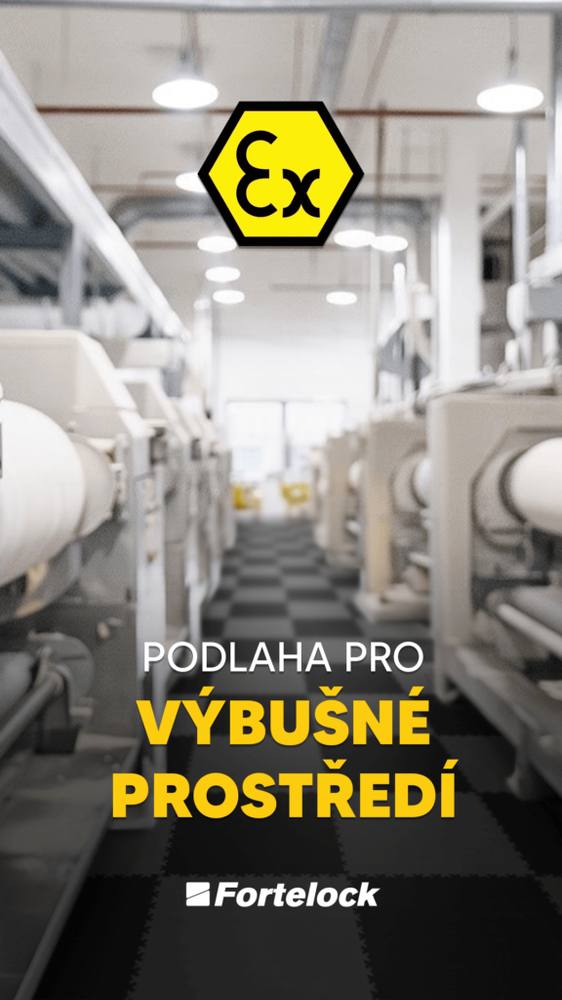
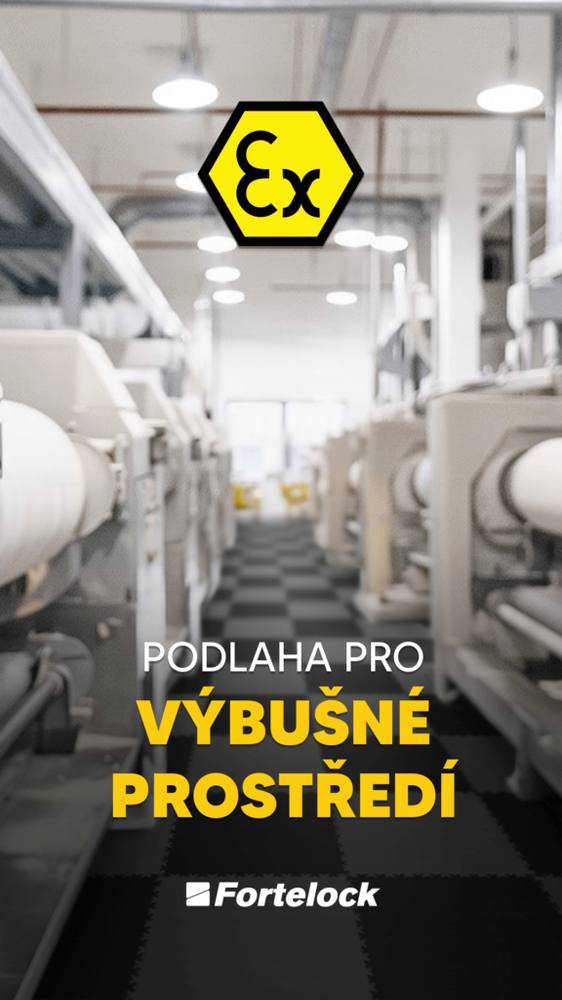
Operations that work in environments with a risk of explosion face unique challenges when it comes to the safety and protection of employees and equipment. One of the critical factors is choosing the right floor to minimise the risk of dangerous situations arising. What should guide your selection and what influences it?
Explosive environment
The risk of explosion applies to all operations and facilities where an explosive atmosphere can form. An explosive atmosphere arises when hazardous substances in the form of gases, vapours or dust mix with air. Under certain conditions (when there is neither too much dust, because then the fire does not have enough air to burn, nor too little, when there is nothing to burn) such a mixture can ignite and cause enormous damage.
The risk of explosions exists not only in refineries and chemical plants, but also in places where you might not expect it. Such places include the food industry, especially mills, grain stores, sugar production and flour warehouses. The same applies to the pharmaceutical industry, where volatile chemicals are used to manufacture medicines, or the textile industry, where synthetic fibres are produced or textiles are simply handled.
In all of these spaces a situation can arise where a certain amount of dust or gases is present in the air, which can be ignited even by a small spark in the form of a static discharge. An innocent spark that would normally only give a person a “zap” when touching a door handle can cause enormous damage.
How to minimise the risk of an electrostatic discharge?
An electrostatic discharge occurs when too large an electric charge has accumulated in the human body. Did you know that the human body can be charged up to as much as 35,000 V? Walking on carpet or a plastic floor, or handling a plastic bag, can charge you up to as much as 10,000 V. Even at a charge of around 7,000 V, touching a conductive material creates a spark, which can be fatal in areas with an explosive environment.
However, you can effectively minimise the risk of charge build-up by installing a conductive floor. The high-quality ones have two functions:
- they effectively conduct the electric charge into the building's earthing,
- they prevent the accumulation of electric charge on a person.
The materials the floor is made from must meet specific requirements for electrical conductivity, mechanical and chemical resistance in order to ensure the safety and reliability of the operation.
Key criteria for a floor laid for an explosive environment
- Antistatic or conductive properties:
a) the floor material must be able to conduct away electrostatic charge to prevent it from building up and generating sparks.
b) the electrical resistance of the floor should be in the range of 106 to 109 ohms for dissipative floors and less than 10 6 ohms for conductive floors. - Mechanical resistance:
a) it must be sufficiently strong and wear-resistant to withstand operational loads and prevent damage that could compromise safety. - Chemical resistance:
a) it must resist chemicals that may be present in the environment in order to prevent material degradation and maintain its properties. - Non-sparking material:
a) it must be designed so that it does not generate sparks, even under mechanical impact or wear.
The most common materials for floors in explosive environments
Antistatic epoxy resins
Epoxy floors with antistatic properties are a less common solution in industrial environments. These floors are easy and simple to clean, but they are less durable and, in the event of damage, very difficult to repair. Their disadvantages also include the need for a perfectly prepared surface; their installation is time-consuming and requires special machinery, which is reflected in a high purchase price.
Antistatic vinyl coverings
Vinyl floors are usually resistant to chemicals and mechanical wear. Installing vinyl sheets 2 m wide is usually more complicated and requires an empty space, which is time-consuming in the case of a renovation and increases the cost of the renovation itself. In addition, full gluing is necessary, which makes it impossible to move it to other premises. In the case of rented premises, its removal requires higher costs associated with restoring the space to its original condition.
Antistatic or conductive PVC tiles
PVC tiles with antistatic properties provide good protection against electrostatic charges, are resistant to chemicals and mechanical damage. They are easy to clean, and in the event of damage a specific tile can be quickly and easily replaced; they do not require gluing and are usually laid loose. They can be installed during full operation, saving the cost of clearing the space and the necessary shutdown of production/operations. If the operation is relocated, the tiles can be dismantled and reassembled at the new location.
Special concrete mixtures
Concrete floors can be modified with antistatic additives or surface coatings to provide the required electrical properties and mechanical resistance. Their application demands precision and expertise and requires professional installation.
Conclusion
Floors intended for explosive environments must be made from dissipative or, better still, conductive materials that are resistant to mechanical wear and chemical substances. Using the right materials and complying with the relevant standards is key to ensuring safety in such environments.
A tip for professionals – standards to follow
The ATEX directive (ATmosphères EXplosibles) is a framework of European Union legislation governing the safety of products, protective systems and equipment intended for use in areas with a risk of explosion. These regulations aim to minimise the risk of an explosion of flammable gases, vapours or dust in industrial environments.
The standard way of meeting the ATEX directive's requirements for the safety of electrical equipment and protective systems intended for use in areas with a risk of explosion is defined by the harmonised standard EN 60079-0 Explosive atmospheres.
This standard is an important part of implementing the ATEX directive, as it provides the precise technical requirements that must be complied with under European legislation. Manufacturers of electrical equipment and protective systems must comply with the requirements of this standard in order to obtain conformity with the ATEX directive and place their products on the market within the European Union.
For floors, specific requirements are defined in the following directives:
- EN 60079-0 and EN 60079-15: These standards set out general requirements for electrical equipment and protective systems in environments with a risk of explosion. They also address the electrical properties of conductive floors and their ability to conduct away electrostatic charge.
- EN 1081: This standard specifies the requirements for the electrical resistance of floor coverings, which is a key parameter for conductive floors. It defines the procedures for measuring electrical resistance and specifies the required values within safe parameters.
For more information, technical specifications or an individual quote contact our experts. We will help you find the best flooring solution to meet your specific requirements.
WRITE TO US