21. 2. 2024
Electrostatic protection in practice: equipping EPA areas
Protecting electronic components and equipment against electrostatic discharge (ESD – Electrostatic Discharge) is a necessity nowadays. An electrostatic discharge can damage or even destroy sensitive electronic components, which causes costs running into billions of dollars worldwide. To prevent this, it is important to equip the working environment with so-called EPA zones (Electrostatic Protected Area). The basic elements of such protection are ESD wrist straps, ESD floors and other specific elements. In this article we will look at the basic prerequisites for equipping EPA zones and the standards that concern the protection of electronic components against electrostatic discharge.
What is an EPA area?
Many aspects must be considered in an ESD suppression project. One of the main elements of ESD protection is the EPA (Electrostatic Discharge Protected Area). This is an area in which sensitive components can be handled with an acceptable level of risk. It may contain only items that prevent the occurrence of ESD. Under no circumstances may any insulators (paper, unprotected plastic, rubber, etc.) be present. This area may be an entire building, an entire room or just a single workstation.
Marking and entering the EPA area
The EPA area must be visibly marked so that it is clearly distinguishable from the rest of the operation. In simple cases, black-and-yellow demarcation tape on the floor is used to delimit the boundary of the EPA area. The disadvantage of this solution is that such an area is in no way protected against unauthorised entry.
Physical barriers are therefore more often used to prevent unauthorised and untrained persons from entering the area. Part of the entrance to the EPA area is a gate that allows entry only to persons whose system resistance is within the values laid down by the regulations. In practice, this means that the person is wearing ESD clothing, ESD footwear and an ESD wrist strap. They are then tested to see whether they meet the prescribed parameters, and only then are they allowed to enter the EPA area.
The EPA equipment area
The EPA area may contain only items that help to dissipate electric charge while also preventing its build-up. Such items include:
- ESD furniture (chairs, tables, work surfaces, lamps, etc.),
- ESD flooring,
- ESD tools,
- ESD packaging material and more.
Each of these elements contributes to reducing the risk of ESD. The more elements a company uses in its ESD suppression programme, the more it minimises the risk of ESD. Automotive and other manufacturing plants that work with sensitive electronics use the maximum number of elements, because protecting electrical components is exceptionally important there.
In addition, EPA areas are regularly inspected and audited to ensure that they are equipped only with items that help reduce the risk of ESD. It is strictly forbidden to have in these areas any object or material that could cause a discharge.
Which protective element to choose?
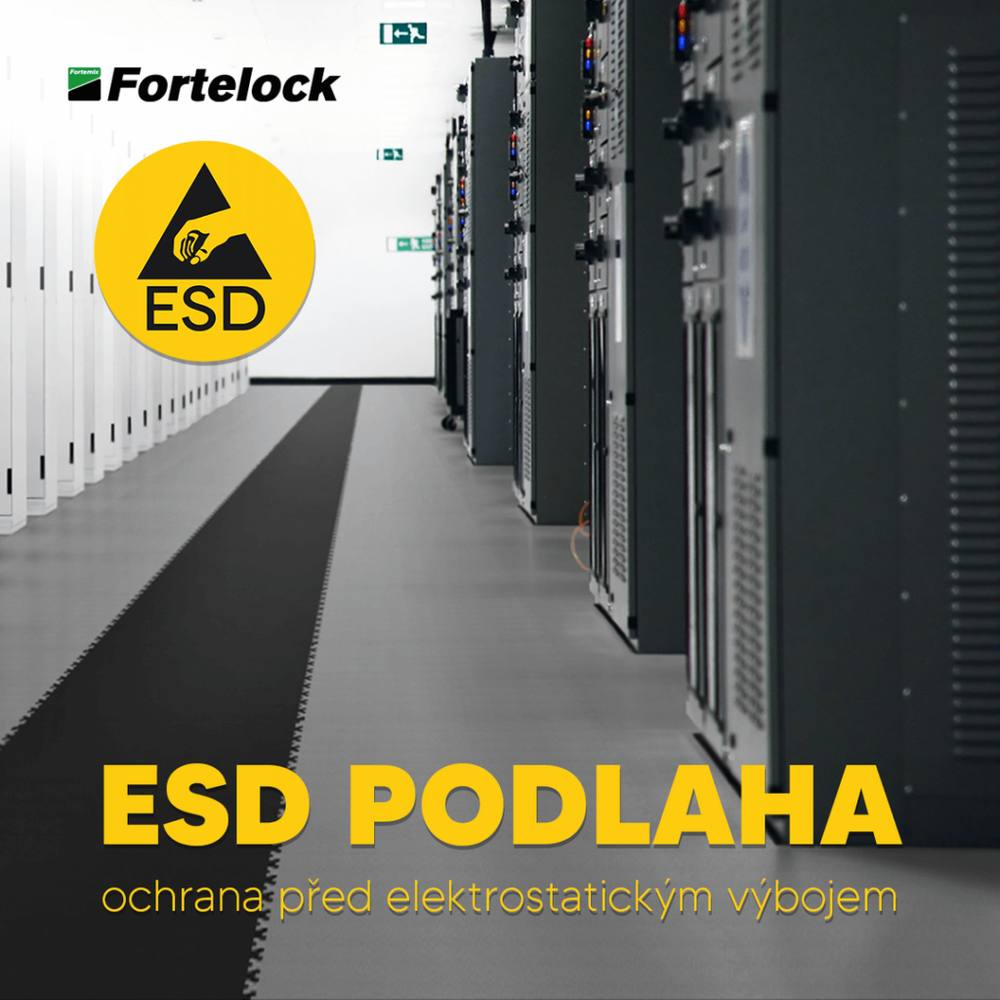
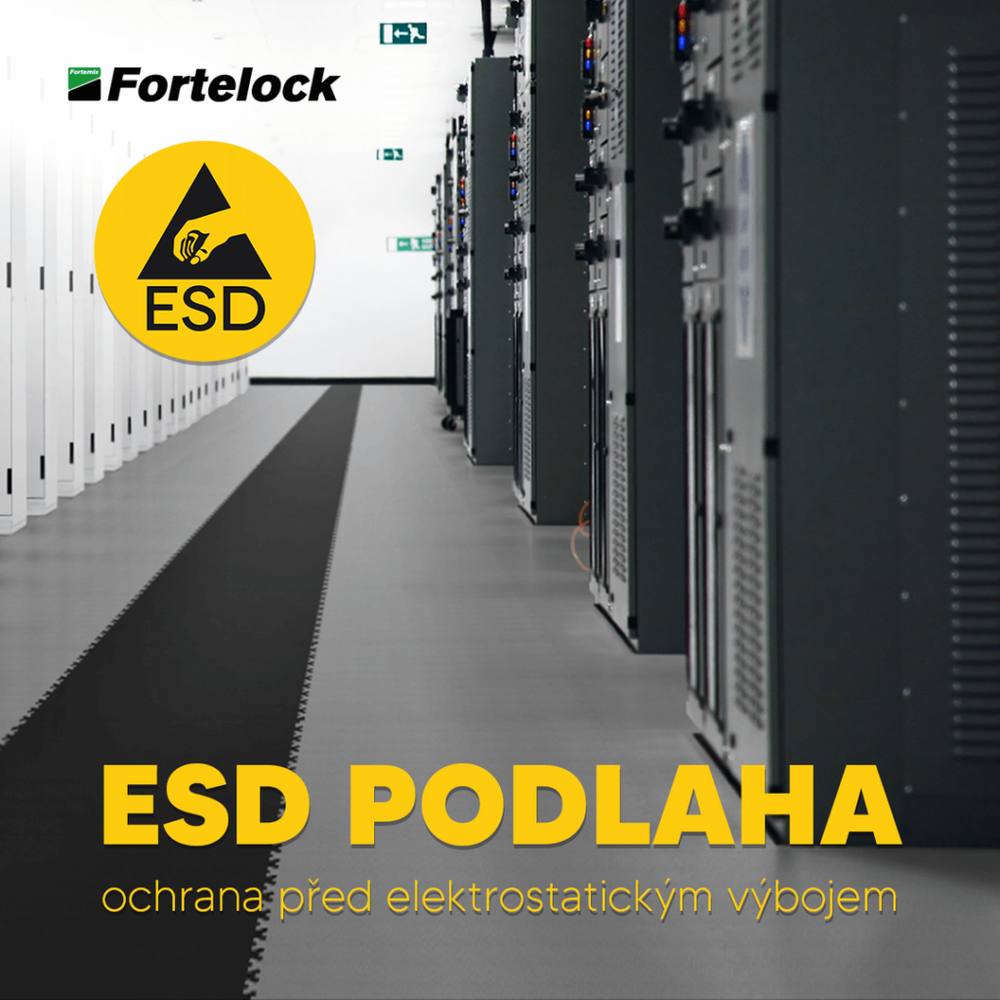
As mentioned above, each element contributes to reducing the risk of ESD. However, if you want to opt for a notional minimum level of protection that will contribute to maximum protection against ESD, then we recommend at least ESD footwear, an ESD wrist strap and an ESD floor. An ESD floor has the advantage that, in addition to effectively dissipating the charge generated, it prevents its excessive build-up. Just to give you an idea – a person walking on a carpet in winter can accumulate a charge with a voltage of up to 35,000 V! A quality ESD floor, on the other hand, prevents the build-up of a charge higher than 100 V.
Regular inspection
However, choosing the right product is far from the end of an ESD suppression programme. On the contrary. Every product must be inspected regularly to ensure that it has not lost its ESD properties over time. The ESD suppression programme must therefore define how often an item will be inspected and how this will be carried out.
In this respect, the European technical standard EN 61340 – Protection of electronic components against electrostatic phenomena is useful. For each item, it states which parameters it must meet when connected to the system. If you have your floor correctly connected, then even over time it must meet Rg < 1 × 10 Ω (resistance to ground). Testing is carried out by a trained ESD programme coordinator.
What exactly should be inspected?
Put simply, everything. All items located in the EPA area must be inspected regularly. If they fail testing or do not meet the requirements, they must be removed from the area.
A comprehensive programme
Every company setting up an EPA area must draw up a programme in which it designates the person responsible for compliance with the established regulations, who is usually the ESD programme coordinator. This person must:
- define the requirements for equipping the area,
- designate the persons responsible for entering the area,
- ensure the training and regular retraining of authorised persons,
- draw up instructions for working in the EPA area,
- design a schedule of tests for the items in the EPA area. Each such test should be followed by a report demonstrating compliance with the established parameters.
If you would like to learn more about EPA programmes for the field of ESD and emission suppression, do not hesitate to contact us at info@fortelock.cz.
WRITE TO US